



Why Chlorine in Your Tap Water Might Be More Dangerous Than What It’s Supposed to Kill
Key Takeaway: Chlorine plays a critical role in tap water safety, but it can also form chlorine disinfection byproducts when it reacts with organic matter. While regulated, long-term exposure is still a concern for many homeowners. The right water filtration system can help reduce these contaminants and improve overall water quality at home. Chlorine disinfection byproducts are an important but often overlooked part of tap water safety. Chlorine is added to municipal water to eliminate harmful bacteria and viruses, making drinking water significantly safer. However, when chlorine interacts with natural organic matter in water, it can form additional compounds that may impact long-term water quality. This doesn’t mean chlorine should be avoided—it’s essential for public health. But it does mean homeowners should understand both the benefits and tradeoffs. With the right approach, you can maintain safe water while reducing unwanted contaminants through effective water filtration. Why Chlorine Is Used: Kills bacteria and protects public health What It Creates: Disinfection byproducts like TTHMs and HAA5 Main Concern: Long-term exposure over time Solution: Targeted home filtration What Are Chlorine Disinfection Byproducts? Chlorine disinfection byproducts are chemicals that form when chlorine reacts with organic material in water during treatment. The most commonly regulated types include trihalomethanes (TTHMs) and haloacetic acids (HAA5). These compounds are not added intentionally—they are a byproduct of the disinfection process itself. Even when water meets safety standards, these byproducts can still be present at low levels, which is why many homeowners look for ways to reduce exposure at the point of use. Homeowner Insight: Water can meet regulatory standards and still have noticeable taste, odor, or chemical characteristics that lead homeowners to seek additional filtration. Are Chlorine Disinfection Byproducts a Tap Water Safety Concern? Yes, they can be a concern when exposure levels are elevated over long periods, which is why they are regulated in public drinking water. The key difference is between immediate and long-term risk. Chlorine protects against immediate health threats like bacteria, while byproducts are monitored due to potential long-term exposure concerns. For homeowners looking to improve their water quality beyond basic compliance, installing a whole-home water filtration system can help reduce chlorine-related contaminants and improve overall water quality. Why Do These Byproducts Form? These byproducts form when chlorine reacts with naturally occurring organic matter in the water supply. Factors that influence this include water source quality, temperature, and how long water remains in the distribution system. This is why water quality can vary depending on location and time of year. Helpful Tips: Review your local water quality report annually Monitor seasonal changes in taste or odor Replace filters regularly for best performance Choose systems designed for your specific water concerns What Health Risks Are Associated With Chlorine Byproducts? Long-term exposure to elevated levels of certain chlorine disinfection byproducts has been associated with increased health risks. This is why regulatory agencies set limits on compounds like TTHMs and HAA5. While most municipal water supplies remain within these limits, many homeowners still choose to reduce exposure further as part of a proactive health approach. If you’re focused on improving drinking water quality, a reverse osmosis system can provide an additional layer of protection at the tap. When to Pay Attention: Strong chlorine smell or taste Concerns about long-term exposure Changes in water quality over time Households seeking higher-quality drinking water How Can Water Filtration Help? The right water filtration system can reduce chlorine, improve taste and odor, and help address certain byproducts. Not all filters are the same. Some are designed for basic improvement, while others provide more advanced treatment. Choosing the right system depends on your goals and your home’s specific water conditions. If you’re unsure where to start, it’s best to connect with a local water expert who can recommend the right solution. Choosing the Right System: Point-of-use systems for drinking water Whole-home systems for full coverage Customized solutions for specific concerns Local Water Considerations Water quality can vary significantly by region. Factors such as source water, infrastructure, and seasonal changes all influence how chlorine and its byproducts behave before reaching your home. Working with a provider that understands local water conditions ensures your system is designed for your specific needs—not a one-size-fits-all solution. Frequently Asked Questions About Chlorine Disinfection Byproducts What are chlorine disinfection byproducts? These are compounds formed when chlorine reacts with organic matter in water during treatment. Is chlorine in tap water unsafe? Chlorine is used to make water safer, but byproducts formed during treatment may raise long-term concerns. Can filtration reduce chlorine byproducts? Yes, many filtration systems can reduce chlorine and improve overall water quality. Do I need a filtration system? If you notice taste, odor, or want better water quality, filtration can be a valuable upgrade. Conclusion: Take Control of Your Water Quality Chlorine is essential for safe drinking water, but its byproducts are worth understanding. With the right information and the right system, you can improve your water quality and reduce unnecessary exposure. If you’re ready to upgrade your water, now is the time to find out how to remove chlorine now with a solution tailored to your home. Further Reading & References Water Filtration Systems Reverse Osmosis Systems Contact a Water Expert Home Water Solutions EPA Drinking Water Information
Water Softener vs Filter: Do You Need One or Both?
Key Takeaway: A water softener vs filter comparison shows that each system solves a different problem—softeners remove hardness minerals, while filters reduce contaminants like chlorine and sediment. Most homes benefit from using both together for complete water quality improvement. When comparing a water softener vs filter, many homeowners assume one system can solve every water issue. In reality, each serves a very different purpose. A softener is designed to remove hardness minerals that cause scale buildup, while a filter targets contaminants that affect taste, odor, and clarity. If your dishes have spots, your skin feels dry after showering, or your water smells like chlorine, you may be dealing with multiple water issues at once. That’s why understanding the difference—and when to combine both systems—is key to improving your home’s water quality. Quick Facts Water softeners remove calcium and magnesium that cause hard water. Water filters reduce chlorine, sediment, and other contaminants. A softener does not improve taste or remove chemicals. Most homes benefit from combining both systems for full coverage. What’s the Difference Between a Water Softener and a Filter? A water softener removes hardness minerals, while a filter removes contaminants that affect water quality. A water softener uses an ion exchange process to remove calcium and magnesium—minerals that cause scale buildup in pipes, appliances, and fixtures. This helps extend the life of your plumbing and improves soap performance. A water filter, on the other hand, targets substances like chlorine, sediment, and chemical byproducts. These contaminants can impact how your water tastes, smells, and looks, even if they are present at safe levels. Simple way to think about it: A softener protects your plumbing and appliances, while a filter improves the quality and experience of your water. Do You Need Both a Water Softener and a Filter? Most homes benefit from using both because they address completely different water problems. Many households experience both hard water and unwanted contaminants at the same time. For example: Hard water leaves spots on dishes and buildup in pipes Chlorine can create a noticeable smell in showers Sediment can make water appear cloudy Using only one system leaves part of the problem untreated. That’s why homeowners often choose point-of-use and whole-home filtration combinations to create a complete solution. Pro Tip: If your water feels harsh on skin and smells like chlorine, you likely need both a softener and a filtration system working together. What Problems Does a Water Softener Fix? A water softener solves issues caused by hard water, including scale buildup, appliance wear, and reduced efficiency. Hard water doesn’t pose a health risk, but it can create daily frustrations and long-term maintenance issues. Common signs include: White residue on faucets and dishes Reduced water heater efficiency Soap not lathering well Dry skin and dull hair According to the USGS, hard water is common across many regions of the United States, making softeners a practical upgrade for many homes. What Problems Does a Water Filter Fix? A water filter removes contaminants that affect taste, odor, clarity, and overall water experience. Filters are designed to target a wide range of substances, including: Chlorine and chloramine from municipal systems Sediment like sand, rust, and silt Disinfection byproducts Trace contaminants depending on the system Many homeowners explore chloramine reduction strategies when trying to improve shower and drinking water quality. Important: A water softener does not remove chlorine, chemicals, or contaminants. If your concern is taste or odor, filtration is required. Which Is Better: Water Softener or Filter? Neither is better—they solve different problems, and the best choice depends on your water quality. If your main issue is scale buildup, a softener is the priority. If your concern is taste, smell, or contaminants, filtration is the better option. In many cases, both are needed to fully improve your water. Homeowners often explore softening vs conditioning options when deciding how to manage hardness alongside filtration. Start With Testing Before Choosing a System Testing your water is the most important step before choosing between a water softener vs filter. Without testing, you’re guessing at the problem. A proper analysis identifies: Hardness levels Chlorine or chloramine presence Sediment and turbidity Other potential contaminants Once you know what’s in your water, it’s easier to choose the right combination of systems. Many homeowners begin with professional water consultation to ensure proper sizing and system design. Local Water Conditions and Why They Matter Water quality varies depending on your location. In areas with mineral-rich groundwater or aging infrastructure, homeowners may deal with both hardness and chemical treatment byproducts. In regions like Central Texas and surrounding communities, it’s common to see a mix of hard water and disinfectants in municipal supplies. This makes a combined approach especially effective for improving both efficiency and overall water experience. FAQs: Water Softener vs Filter Do I need both a water softener and a filter? Most homes benefit from both because softeners and filters address different issues—hardness and contaminants. Will a water softener improve taste? No, a water softener does not improve taste or odor. You need a filtration system for that. Can a filter replace a water softener? No, filters do not remove hardness minerals, so they cannot replace a softener. What’s the best setup for most homes? A combination of whole-home softening and filtration, plus targeted drinking water filtration, works best for most households. Conclusion: Choosing the Right Water Treatment Setup When comparing a water softener vs filter, it’s clear that each system plays a unique role in improving your home’s water. A softener protects plumbing and appliances from scale, while a filter enhances water quality by reducing contaminants. The best results come from combining both systems based on your specific water conditions. With proper testing and system design, you can enjoy water that feels better, tastes better, and performs better throughout your home. Further Reading & References Point-of-use and whole-home filtration options Chloramine and water quality considerations Salt-free vs traditional softening Professional consultation and testing USGS guide to water hardness
Chromium-6 in Tap Water: Understanding Cancer Risk and Smarter Filtration

Key Takeaway: Chromium-6, also called hexavalent chromium, is a chemical form of chromium that can enter drinking water through natural geological sources or industrial pollution. Long-term exposure to elevated levels may increase certain health risks. Certified testing and targeted filtration methods—especially reverse osmosis or anion exchange—are among the most reliable ways to reduce chromium-6 levels in household water. Professional testing ensures the right system is selected based on your home’s specific water chemistry and usage patterns. Quick Facts About Chromium-6 in Drinking Water Chromium-6 (hexavalent chromium) is a reactive form of chromium that can enter groundwater through industrial waste or natural mineral deposits. Federal drinking water standards regulate total chromium, which includes both chromium-3 and chromium-6. Boiling water does not remove chromium-6 and may slightly increase its concentration as water evaporates. Reverse osmosis systems and strong-base anion exchange filters are among the most effective filtration methods for chromium-6 reduction. Exposure primarily occurs through drinking and cooking water, rather than through bathing or skin contact. Independent water testing provides the most accurate way to determine chromium-6 levels in your home’s water supply. Chromium-6 and Cancer Risk in Drinking Water Chromium-6, also known as hexavalent chromium, is a form of chromium that can pose potential health concerns when present in drinking water at elevated levels over long periods. While chromium occurs naturally in the environment, hexavalent chromium is more chemically reactive than other forms and has been associated with certain health risks in scientific research. According to information from the U.S. Environmental Protection Agency (EPA), long-term exposure to high concentrations of hexavalent chromium may increase cancer risk when ingested in drinking water. Chromium-6 can enter water supplies through both natural and human-made pathways. Industrial activities such as metal plating, stainless steel manufacturing, textile dye production, and leather tanning may release chromium compounds into soil or groundwater. Over time, these contaminants can migrate through aquifers and reach municipal water systems or private wells. Many families are surprised to learn that even treated municipal water may still contain trace amounts of certain contaminants sometimes found in drinking water, which is why understanding your water supply is so important. Water chemistry varies significantly between communities, meaning there is rarely a single solution that works for every household. Certified water testing helps identify whether chromium-6 or other impurities are present and at what concentrations. Once homeowners understand their baseline water quality, they can explore treatment options such as reverse osmosis or ion exchange systems designed to reduce exposure. What Chromium-6 Is and How It Gets Into Drinking Water Chromium exists in several chemical forms, but the two most common forms found in water are trivalent chromium (chromium-3) and hexavalent chromium (chromium-6). When laboratories measure “total chromium,” they calculate the combined amount of these forms. However, chromium-3 and chromium-6 behave very differently in the body and the environment. Chromium-3 is considered an essential nutrient in small amounts and plays a role in human metabolism. Chromium-6, by contrast, forms more easily through industrial processes and can persist in groundwater under certain environmental conditions. Understanding which form of chromium is present in drinking water helps determine whether additional filtration may be beneficial. Chromium-6 may reach water sources through natural erosion of chromium-containing rock formations, but it is often associated with industrial pollution or improper waste disposal. In some regions, chromium may appear alongside other naturally occurring elements such as arsenic in groundwater. Because each contaminant behaves differently, treatment solutions must be tailored to the specific water chemistry of a household. Regulation and Water Quality Data In the United States, drinking water regulations currently limit total chromium rather than chromium-6 alone. This means that both chromium-3 and chromium-6 are measured together under a single standard. However, some researchers and state regulators have raised questions about whether this approach fully reflects the health implications of hexavalent chromium specifically. Public water utilities must publish annual Consumer Confidence Reports that summarize the substances detected in the local water supply. These reports offer a useful starting point for understanding regional water quality. Homeowners can also compare regional test results using resources such as the EWG water database, which compiles publicly available water testing information across many communities. Private wells are not regulated in the same way as municipal systems, which means testing becomes the responsibility of the homeowner. Certified laboratory testing provides the most accurate way to determine whether chromium-6 or other metals are present and whether filtration may be beneficial. How Exposure to Chromium-6 Occurs in the Home The primary pathway for chromium-6 exposure in households is through ingestion. Drinking water, cooking water, and beverages prepared with tap water represent the most common ways people consume trace contaminants that may be present in their supply. Because ingestion is the main exposure route, many treatment strategies focus on improving water quality at the kitchen sink. Other contaminants behave differently in water. Some compounds, such as certain disinfection byproducts discussed in trihalomethane studies, may also be inhaled during hot showers or baths. Chromium-6, however, is far less likely to enter the body through skin contact compared with ingestion through drinking water. Hard water is a separate issue entirely. Hard water contains minerals like calcium and magnesium that can affect appliance efficiency but do not present a safety concern. Understanding the difference between comfort issues and chemical contaminants helps homeowners design a treatment plan that addresses both performance and water quality. Filtration Methods That Can Reduce Chromium-6 Advanced filtration technologies can help reduce chromium-6 concentrations in drinking water when properly designed and maintained. Reverse osmosis systems are among the most commonly recommended treatment methods. These systems force water through a semi-permeable membrane that separates many dissolved metals, salts, and contaminants from drinking water. Another approach involves strong-base anion exchange filtration. These systems use specialized resins that exchange negatively charged ions in the water for harmless ions, allowing them to capture hexavalent chromium effectively. Because system performance depends on water chemistry, testing is essential before selecting equipment. It is important to understand that traditional water softeners
Lead in Drinking Water: Risks in Older Homes and How to Test and Filter Safely

Key Takeaway: Lead in drinking water is most often found in homes built before 1986 due to older service lines, solder, and brass fixtures. Testing your water first, then installing NSF-certified point-of-use filtration, is the most reliable way to reduce lead exposure. Ongoing maintenance and periodic retesting ensure long-term protection. Lead in drinking water remains a serious concern for families living in older homes. Even when municipal water leaves the treatment plant in compliance with federal standards, lead can enter water through aging plumbing materials between the street and your faucet. Understanding how this happens—and how to test and filter properly—helps you protect your household with confidence. Under the EPA’s Lead and Copper Rule, public water systems must control corrosion and take action if lead levels exceed the EPA action level of 15 parts per billion (ppb). However, that action level applies to system-wide compliance—not necessarily to water at every individual tap. For homes built before 1986, additional precautions are often warranted. Quick Facts About Lead in Drinking Water The EPA action level for lead in public water systems is 15 ppb. Homes built before 1986 are more likely to contain lead solder or service lines. Boiling water does not remove lead and may concentrate it. NSF/ANSI Standard 53 and 58 certify filters for lead reduction when properly maintained. First-draw samples (after water sits overnight) often show higher lead levels. How Does Lead Get Into Drinking Water? Lead most often enters tap water through corrosion of older plumbing materials. Homes constructed before 1986 may contain: Lead service lines connecting the home to the water main Copper pipes joined with lead-based solder Brass fixtures containing small amounts of lead When water sits in contact with these materials, corrosion can release dissolved or particulate lead into the water. Factors such as pH, disinfectant type, temperature, and stagnation time influence the amount of lead that may leach into tap water. Even if your city’s source water meets all regulatory requirements, the section of pipe running from the main to your home is often the homeowner’s responsibility. Identifying whether your property has a lead service line is an important first step. Is Lead in Drinking Water Dangerous? Yes, lead exposure can pose health risks, especially for children and pregnant individuals. According to the CDC, no safe blood lead level in children has been identified. Lead exposure can affect brain development, learning, and behavior. In adults, long-term exposure may contribute to cardiovascular and kidney concerns. The primary exposure pathway from lead in tap water is ingestion—through drinking, cooking, or preparing infant formula. Lead does not vaporize in steam, so showering and bathing are not considered significant exposure routes. Does Boiling Water Remove Lead? No, boiling water does not remove lead. Because lead is a metal, it does not evaporate when water is heated. In fact, boiling may slightly increase concentration as water evaporates and dissolved solids remain behind. Effective reduction requires certified filtration designed specifically for lead removal. How Should You Test for Lead in Tap Water? Testing is the only way to know whether lead is present in your drinking water. Proper testing typically includes: First-draw sample: Collected after water has sat unused for at least 6 hours. Flushed sample: Collected after running water for several minutes. This comparison helps determine whether lead is coming from interior plumbing or the service line. Certified laboratory analysis provides the most reliable results. DIY kits may offer preliminary insight but should not replace professional testing for confirmation. Reviewing your annual Consumer Confidence Report (CCR) is helpful, but in-home testing reflects your specific plumbing conditions. If you need guidance, you can consult a water treatment professional to plan sampling and interpret results accurately. What Type of Filter Removes Lead? Filters certified under NSF/ANSI Standard 53 or NSF/ANSI Standard 58 are designed to reduce lead when properly installed and maintained. Common point-of-use (POU) options include: Carbon block filters certified for lead reduction (NSF 53) Reverse osmosis systems certified under NSF 58 POU systems treat water at the tap used for drinking and cooking—typically the kitchen sink. Because lead can enter through interior plumbing after water passes through whole-home systems, professionals often recommend POU filters even if a point-of-entry (POE) system is installed. You can explore available drinking water systems designed for household use to identify certified options that align with your water test results. Are Whole-Home Filters Enough for Lead? Whole-home (POE) systems may improve overall water quality but are not always sufficient alone for lead reduction at every tap. Because lead can enter water through interior pipes and fixtures, adding a certified POU filter at sinks used for drinking and cooking provides an extra layer of protection. A layered approach ensures that the water you consume directly receives targeted treatment. Do Water Softeners Remove Lead? No, water softeners are not designed to remove lead. Softeners address hardness minerals like calcium and magnesium through ion exchange. While hardness affects appliance efficiency and cleaning performance, it does not cause lead contamination. Lead reduction requires certified filtration technologies specifically tested for metal removal. Local Plumbing Conditions Matter Water quality can vary significantly between neighborhoods, even within the same municipal system. Differences in plumbing age, service line materials, and fixture composition influence individual tap results. Homes built before 1986 warrant closer attention, especially if renovation history is unclear. Reviewing your local utility’s corrosion control practices and testing your home’s taps provide a clearer picture than relying solely on system-wide averages. Lead in Drinking Water FAQ How often should I retest for lead? Retesting annually—or after plumbing repairs, fixture replacements, or filter changes—helps confirm that lead levels remain controlled. Can renters reduce lead exposure? Yes. Renters can install portable or under-sink POU filters certified for lead reduction without replacing plumbing. Does flushing the tap reduce lead? Yes. Running water for several minutes after stagnation can reduce lead concentration before use, though it does not eliminate the underlying source. What certification should I look for? Look for NSF/ANSI Standard 53 (lead reduction) or
PFAS in Drinking Water: Chemicals and Removal Solutions
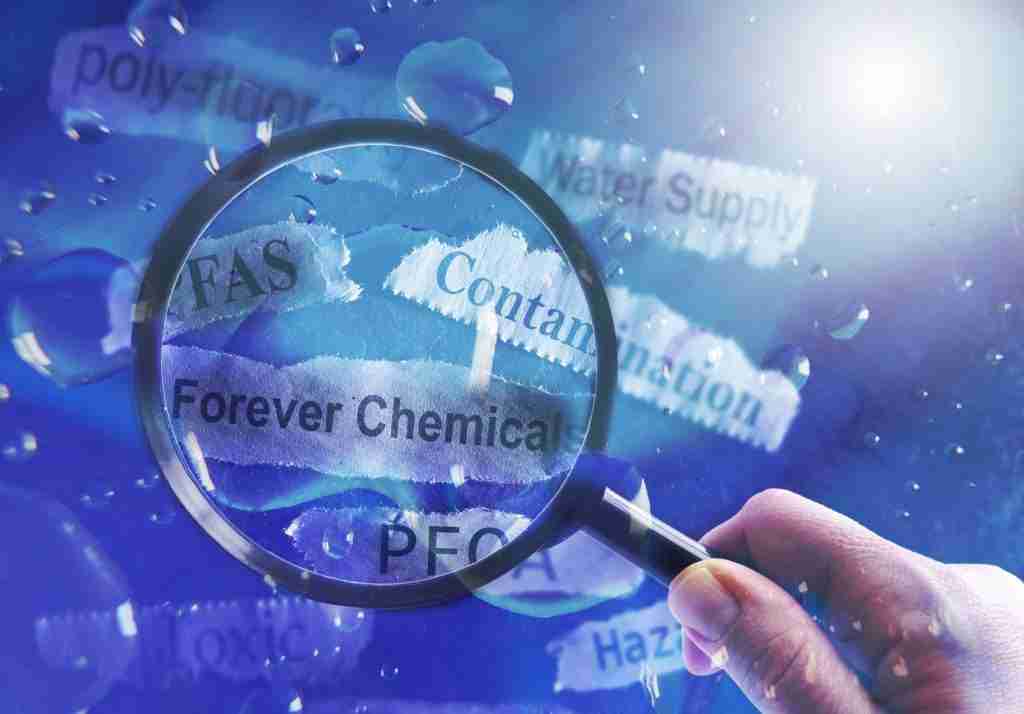
Key Takeaway: PFAS—often called “forever chemicals”—are man-made compounds that persist in water, soil, and the human body due to their extremely strong chemical bonds. These substances have been detected in drinking water systems nationwide and are difficult for traditional treatment plants to remove. Advanced filtration methods such as reverse osmosis and activated carbon are among the most effective ways to reduce PFAS exposure at home. Why PFAS Are a Growing Concern for Every Household PFAS, short for per- and polyfluoroalkyl substances, are a large group of synthetic chemicals widely used in everyday products like nonstick cookware, waterproof fabrics, food packaging, and firefighting foams. Their resistance to heat, oil, and water made them attractive for manufacturing—but those same qualities now create serious environmental and health concerns. Because PFAS do not naturally break down, they accumulate in soil and water over time. Even small concentrations can accumulate with repeated exposure, especially through drinking water. As awareness grows, researchers and regulators continue to examine the extent of contamination and the steps needed to reduce long-term risk. Learning how PFAS function as forever chemicals helps explain why they are so difficult to manage. Municipal systems were never designed to address these compounds, which is why homeowners are increasingly turning to advanced filtration technologies for additional protection. What Makes PFAS So Difficult to Remove? PFAS are chemically stable due to their strong carbon–fluorine bonds, among the strongest in chemistry. This stability allows them to resist environmental degradation and withstand standard water treatment processes, such as chlorination and sediment filtration. As water moves through rivers, reservoirs, and groundwater, PFAS travel with it. Conventional treatment methods may reduce bacteria and sediment, but they often leave behind trace amounts of these persistent chemicals. This challenge is similar to other contaminants discussed in studies on toxins that evade standard filtration. Because of this resistance, specialized technologies like reverse osmosis membranes and high-capacity activated carbon media are required to meaningfully reduce PFAS levels before water reaches household taps. How PFAS Travel from Industrial Sites to Your Faucet PFAS contamination often begins far from the home. Manufacturing facilities, military bases, and airports have historically used PFAS-containing materials, especially firefighting foams. When runoff from these sites enters soil or waterways, PFAS can migrate into groundwater sources that supply communities. Agricultural and industrial runoff can compound the problem. Similar to how pesticides enter local water supplies, PFAS can spread across large regions, affecting areas well beyond their original source. Once present in groundwater or surface water, these compounds can persist for decades. This long journey—from factories to faucets—underscores the importance of testing and treatment at the household level. Key Facts About PFAS in Drinking Water PFAS are often called forever chemicals because they resist natural breakdown. They commonly enter water through industrial runoff, firefighting foam use, and wastewater discharge. Most municipal systems were not designed to fully remove PFAS. Advanced filtration, like reverse osmosis and activated carbon, can significantly reduce PFAS levels. Public tools such as the EWG database show PFAS detection in thousands of U.S. water systems. PFAS may interact with the body in ways similar to xenoestrogens. PFAS often coexist with other contaminants like chromium-6. Whole-home systems from Authentic Water USA can be customized to address PFAS and other impurities. Potential Health Implications of Long-Term PFAS Exposure Scientific research suggests that long-term exposure to PFAS may affect hormone regulation, immune response, and overall metabolic balance. Because these chemicals remain in the body for extended periods, even low-level exposure through drinking water can accumulate over time. PFAS are part of a broader category of endocrine-disrupting compounds, meaning they may interfere with the body’s natural signaling systems. While studies continue, many experts agree that minimizing exposure where possible is a practical and proactive step. EPA Guidelines and What They Mean for Homeowners The Environmental Protection Agency has proposed increasingly strict limits on PFAS in drinking water. While this represents progress, upgrading infrastructure across thousands of utilities will take time. During that transition, some households may still receive water containing measurable PFAS levels. Resources like the EWG contamination database help homeowners understand local risks. Even if a water system meets current standards, personal filtration can provide an added layer of confidence. Filtration Solutions That Actually Reduce PFAS Not all filters are created equal when it comes to forever chemicals. The most effective technologies include reverse osmosis and high-quality activated carbon systems, both capable of reducing a range of PFAS compounds when properly maintained. Reverse osmosis removes contaminants at the molecular level, while carbon filtration captures PFAS through adsorption. However, as discussed in PFAS filtration performance insights, system design and maintenance matter just as much as the technology itself. Many homeowners benefit from combining point-of-entry and point-of-use systems. Exploring professionally designed drinking water filtration systems ensures that solutions are matched to actual water conditions. Why Professional Water Testing Matters Because water chemistry varies widely by location, testing is the foundation of effective treatment. A professional review identifies which PFAS compounds—and other contaminants—are present, allowing systems to be properly sized and configured. It’s always a great idea to consult a professional for added guidance so you can make the best decision for your home. Working with specialists at Authentic Water USA helps ensure your filtration approach addresses real risks rather than assumptions. Taking Control of Your Water’s Future PFAS contamination highlights an important reality: clear water is not always clean water. By testing your supply and choosing proven filtration technologies, you can significantly reduce exposure to forever chemicals and other emerging contaminants. With expert guidance, modern filtration, and ongoing maintenance, homeowners can regain confidence in their drinking water. Schedule a PFAS water test today and take the first step toward cleaner, safer water for your household. Here’s a clean, SEO-friendly “Further Reading” section you can add to the end of the PFAS blog, with relevant, authoritative external links that complement the topic and strengthen topical authority: Further Reading EPA: PFAS Explained – An overview from the U.S. Environmental Protection Agency on what PFAS are, where
Xenoestrogens in Water: Understanding the Risks and Solutions

Key Takeaway Xenoestrogens are hormone-disrupting compounds that can enter water supplies through pharmaceuticals, plastics, and agricultural runoff. Because these contaminants may exist at trace levels and can be difficult to remove with basic filtration, many homeowners choose advanced treatment options—such as multi-stage filtration or reverse osmosis—to reduce potential exposure and improve overall water quality. What are xenoestrogens in water? Xenoestrogens are compounds that can mimic estrogen or disrupt normal hormone signaling in the body. They can be synthetic (man-made) or naturally occurring, and they’re often discussed as part of a larger category called endocrine-disrupting chemicals (EDCs). Many homeowners have heard of contaminants like chlorine, lead, or hard water minerals, but xenoestrogens are less familiar because they’re not obvious. You typically won’t notice them through taste, smell, or appearance—yet they can still be present in trace amounts in drinking water. These compounds are considered an emerging concern because they can come from everyday sources and may persist through parts of the water cycle. For a high-authority overview of endocrine-disrupting chemicals and how they can affect health, the U.S. Environmental Protection Agency (EPA) explains endocrine disruption and ongoing research in clear, public-facing terms. How do xenoestrogens get into drinking water? Xenoestrogens can enter drinking water through multiple pathways, including wastewater discharge, agricultural runoff, and chemicals released from consumer products. Once these compounds reach rivers, lakes, or groundwater, they can become part of the water sources that communities rely on for drinking water. Some of the most common entry points include: Pharmaceuticals: Improper disposal of medications (like flushing them) can contribute to trace pharmaceutical residues in wastewater. Agricultural chemicals: Runoff may carry pesticides and herbicides into local water sources after rainfall or irrigation. Plastics and consumer products: Certain chemicals used in plastics, personal care products, and cleaning products can enter waterways through household waste and runoff. If you want a deeper breakdown of how trace contaminants can circulate through water systems, these resources provide additional context: How pharmaceuticals can pollute tap water Pesticides in our water supply Herbicides in our water supply Are xenoestrogens harmful to humans? Xenoestrogens may raise health concerns because they can interact with hormone receptors and influence how the endocrine system communicates. The endocrine system helps regulate key functions such as growth, metabolism, reproduction, and mood, which is why hormone-disrupting compounds get so much scientific attention. Research into endocrine disruption continues to evolve, and effects can depend on many factors, including the specific compound, the level of exposure, and individual sensitivity. What’s clear is that hormone signaling is complex—and minimizing unnecessary exposure to hormone-disrupting contaminants is a reasonable goal for many families, especially those who want more control over what they drink and cook with daily. Because these compounds are not reliably detectable without testing and may appear alongside other water contaminants, many homeowners start by learning what else could be present in their water. This overview of toxins commonly found in drinking water can help you understand the bigger picture. Can xenoestrogens be filtered out of tap water? Xenoestrogens can often be reduced with advanced filtration, but results depend on the type of contaminant and the system you choose. Basic filters may improve taste and reduce chlorine, but hormone-disrupting compounds and other trace organics can require more robust treatment approaches. Home filtration systems generally fall into two categories: Point-of-use systems: Installed at a single tap (often the kitchen sink) to treat drinking and cooking water. Point-of-entry systems: Installed where water enters the home to treat water for showers, laundry, and every faucet. For many households, the best strategy is to match the filtration method to the goal. If you want the cleanest possible water for drinking and cooking, a point-of-use system is often the priority. If you want broader coverage for bathing and whole-home water quality, a point-of-entry system may make sense. What water filtration systems work best for hormone disruptors and emerging contaminants? Multi-stage filtration and reverse osmosis systems are among the most commonly recommended options for reducing a wide range of trace contaminants. These systems use multiple treatment steps—often including activated carbon and membrane filtration—to target different categories of impurities. Here’s a practical breakdown of what homeowners typically consider: Filtration Options (Simple Comparison) Activated Carbon (basic filters): Helps reduce chlorine taste/odor and some organic compounds, but performance varies depending on filter quality and contaminant type. Multi-Stage Filtration: Combines multiple treatment steps (often sediment + carbon + additional media) for broader coverage and better contaminant reduction. Reverse Osmosis (RO): Uses membrane filtration and additional stages to reduce many dissolved contaminants, making it a popular option for drinking water. Because xenoestrogens may appear alongside other difficult-to-treat contaminants, some homeowners also compare filtration strategies for compounds like PFAS. This guide on PFAS and “forever chemical” components explains why certain contaminants can be more persistent and why filtration choice matters. If you’re exploring options for your home, these drinking water systems provide examples of multi-stage and reverse osmosis solutions designed for modern water concerns. Should you worry about exposure beyond drinking water? Water exposure can happen through more than just drinking, since water is also used for bathing, cooking, brushing teeth, and washing dishes. That’s why some homeowners prefer whole-home treatment—especially if they want more consistent water quality at every tap. While drinking water is often the main focus, households with sensitive skin, chemical sensitivities, or strong preferences for cleaner water throughout the home may consider point-of-entry filtration for a broader layer of protection. If you’re curious about the “whole-home” side of water quality, this article on how shower water can affect exposure offers additional insight into why some families go beyond sink filters. FAQ: Common questions about xenoestrogens in water What are xenoestrogens? Xenoestrogens are compounds that can mimic estrogen or interfere with hormone signaling, which is why they’re often discussed as endocrine-disrupting chemicals (EDCs). How do xenoestrogens end up in my water? They can enter waterways through wastewater discharge, agricultural runoff, and chemicals from consumer products, and may persist into water sources used for drinking water. Can
Salt Free Water Softener: A Solution for Hard Water Problems

Are you tired of dealing with hard water in your home? Salt-free water softeners might be the solution you’re looking for. These devices work differently from traditional salt-based systems, offering a unique approach to improving your water quality. Salt-free water softeners don’t actually remove minerals from your water, but instead change their structure to prevent scale buildup. This process is called crystallization or Template Assisted Crystallization (TAC). It alters the way minerals like calcium and magnesium behave, reducing their tendency to stick to surfaces in your plumbing and appliances. You might wonder how effective these systems are. While they don’t soften water in the traditional sense, salt-free water conditioners can reduce scale formation by up to 90%. This can help protect your pipes, extend the life of your water-using appliances, and improve the overall quality of your water without adding sodium to your diet or the environment. Understanding Water Hardness and Softening Water hardness affects many homes. It can cause problems with appliances and plumbing. There are different ways to deal with hard water, including traditional softeners and salt-free options. What Constitutes Hard Water Hard water contains high levels of minerals, mainly calcium and magnesium. These minerals dissolve in water as it moves through soil and rock. Water with more than 7 grains per gallon (gpg) of these minerals is considered hard. Hard water can leave spots on dishes and scale buildup in pipes. It may also make soap less effective. This can lead to dry skin and dull hair. In extreme cases, hard water can shorten the life of water-using appliances. Conventional Water Softening vs Salt-Free Water Softeners Traditional water softeners use an ion exchange process. They swap calcium and magnesium ions for sodium ions. This removes the hardness minerals from the water. Salt-free systems don’t remove minerals. Instead, they change how minerals behave in water. These systems are also called water conditioners. Conventional softeners need regular salt refills and maintenance. Salt-free options don’t require salt or backwashing. This can make them easier to maintain. How Salt-Free Water Softeners Work Salt-free water softeners use Template Assisted Crystallization (TAC). This process changes the structure of mineral ions. It turns them into harmless crystals that don’t stick to surfaces. TAC uses a special media bed. As water flows through, it triggers a reaction. This reaction forms microscopic crystals. These crystals stay suspended in the water instead of building up as scale. Salt-free systems don’t actually soften water. They prevent scale formation. This can protect pipes and appliances from mineral buildup. These systems can last 10-20 years with proper care. Advantages and Considerations of Salt-Free Systems Salt-free water softeners offer unique benefits and trade-offs. They address hard water issues without adding sodium, but have different performance characteristics than traditional salt-based systems. Environmental and Health Benefits Salt-free systems don’t release brine into wastewater. This helps protect local water sources. They also don’t add sodium to your drinking water. This is good for people who need to watch their salt intake. These systems use no chemicals. They’re effective at reducing limescale by up to 90% in some cases. This can extend the life of your appliances and plumbing. You don’t need to buy or store bags of salt. This saves space and reduces plastic waste from salt bags. Comparing Costs and Maintenance Upfront costs for salt-free systems can be higher. They often range from $800 to $4,000. But they can save money over time. You won’t need to buy salt regularly. This cuts ongoing costs. Salt-free systems also need less maintenance. You don’t have to refill salt or clean brine tanks. These systems don’t need electricity to run. This can lower your energy bills. They also don’t waste water during regeneration cycles. Performance and Efficiency Factors Salt-free systems don’t remove minerals from water. Instead, they change how minerals behave. This process is called conditioning. Conditioned water feels different from softened water. It might not lather as much with soap. But it still helps reduce scale buildup. These systems don’t affect water pressure or flow rate. They work without electricity, so they’re always on. This means no downtime for regeneration cycles. Salt-free systems can handle varying levels of water hardness. But they might struggle with extremely hard water. In those cases, a traditional salt-based system might work better. Selecting the Right Salt-Free Water Softener Choosing a salt-free water softener requires careful consideration of key features and top-performing models. Your decision will impact water quality and appliance longevity in your home. Key Features to Look For When selecting a salt-free water softener, focus on scale prevention technology. This is crucial for protecting your pipes and appliances. Look for systems with high flow rates to ensure consistent water pressure throughout your home. Check for a lifetime warranty and money-back guarantee. These offer peace of mind and show the manufacturer’s confidence in their product. Water filter capabilities are another important feature. Some systems combine scale prevention with filtration, improving overall water quality. Consider the system’s capacity. Make sure it can handle your household’s water usage. A system that’s too small won’t be effective. Top Salt-Free Softener Brands and Models Leading salt-free water softeners offer impressive features and performance. Look for models with proven scale control technology and high flow rates of 15-20 gallons per minute. Some top performers provide a lifetime warranty on both parts and labor. This can save you money in the long run. Certain models use advanced media that can last up to 6 years before needing replacement. This reduces maintenance costs and effort. Consider systems that offer a 3-month trial period. This allows you to test the system’s effectiveness in your home before fully committing. Look for models that are certified to reduce up to 99.6% of scale. This level of performance can significantly extend the life of your appliances. Frequently Asked Questions Salt-free water softeners offer an alternative to traditional systems. They aim to address hard water issues without using salt. Let’s explore some common questions about these devices. What are the
PFAS Supposed Most Effective Filtration is Not the Best
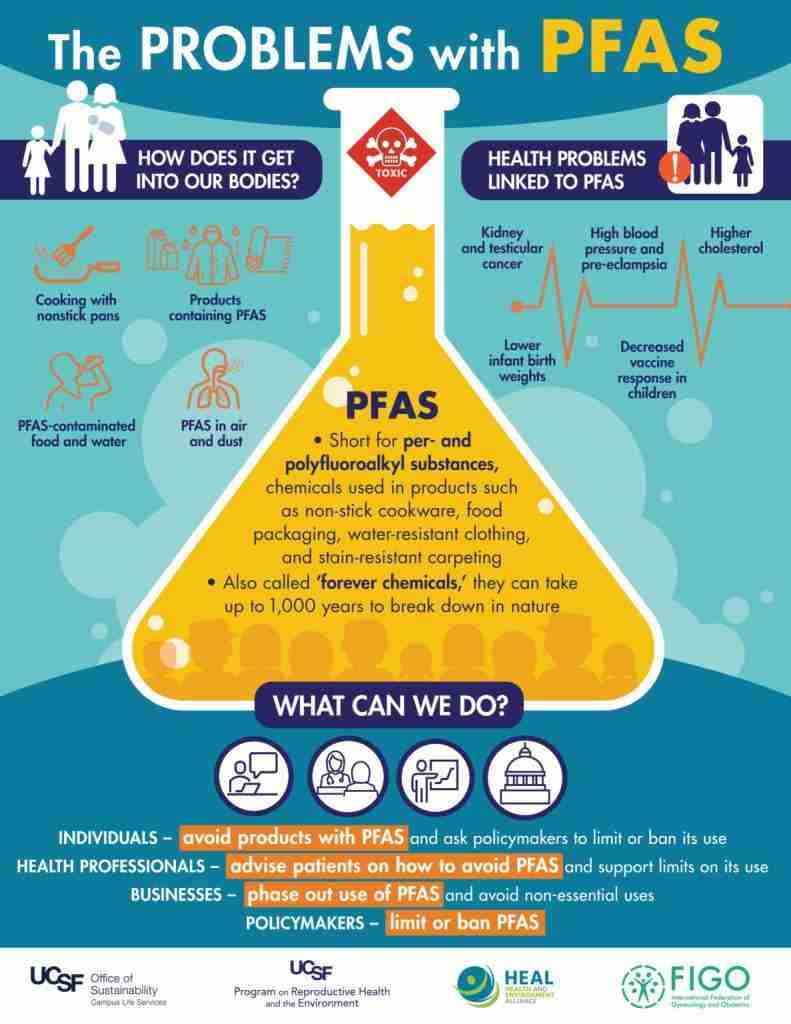
According to the USGS at least 45% of the nation’s tap water is estimated to have one or more types of the chemicals known as per- and polyfluorinated alkyl substances, or PFAS, according to a new study by the U.S. Geological Survey. There are more than 12,000 types of PFAS, not all of which can be detected with current tests; the USGS study tested for the presence of 32 types. Which leaves 11,968 types of PFAS unaccounted for in our water supply! What I aim to expose is why the most effective way to remove PFAS may not be the best. In recent studies it has been shown that ion exchange may very well be the most effective way to reduce and remove PFAS from household water supplies. PFAS however is just one grain of sand in an ocean of potential contaminants. Let me explain; The EPA overseas the Safe Drinking Water Act and its implementation in our municipal water supplies. The Safe Drinking Water Act has some 100 contaminants that must be tested for (no PFAS as of yet) out of the 100 contaminants there are 53 chemical compounds and the rest are heavy metals and other inert or harmless secondary standards for such items as chlorides, sodium water color and the like. Here is the scary part; the EPA also overseas the Toxic Substance Control Act (TSCA) which protects human health and the environment by, among other things, authorizing EPA to issue rules requiring the testing of specific chemicals and to establish regulations that restrict the manufacturing, processing, distribution in commerce, use and disposal of chemicals and mixtures. Listed on the TSCA are some 80,000 additional chemical compounds that are not tested for! Which is why I am not in favor of ion exchange for PFAS removal. Using GAC and Catalytic Carbons is very effective for PFAS reduction and removal and very effective for filtering the other potentially harmful chemicals listed with the SDWA and the TSCA. Thats potentially an additional 80,000 chemicals that Granular activated carbon could help reduce and remove. Unless your budget is unlimited, GAC is the most effective all around filtration media for PFAS, pesticides, herbicides and other organic chemical compounds. Check out our GAC (Granular Activated Carbon) water filtration systems here!
Chromium 6
Summary of Chromium 6 Chromium-6 is the cancer-causing chemical made notorious by the 2000 film “Erin Brockovich,” which documented the poisoning of drinking water in Hinkley, Calif. Chromium gets into drinking water as pollution from industrial uses, such as a coolant at electrical power stations, but also occurs naturally in some areas. In 2008 the National Toxicology Program found that water contaminated with chromium-6 causes cancer in laboratory animals. Based on that study, in 2011 the California Office of Health Hazard Assessment set a public health goal for chromium-6 in drinking water of 0.02 parts per billion, or PPB – The level expected to cause no more than one case of cancer in one million people who drink it for a lifetime. Public health goals are not legally enforceable. In 2014, California lawmakers set a legal limit for chromium-6 in drinking water of 10 ppb – still far too high to fully protect public health. In 2017, after a legal challenge that focused on how treatment costs were calculated, the state had to withdraw the maximum contaminant level for chromium-6 and start developing a new state legal limit. There is no national standard for chromium-6 in drinking water. The safety review of the chemical by the Environmental Protection Agency has been stalled by pressure from the industries responsible for chromium-6 contamination. Click here to see the nationwide test results for chromium-6. How often is chromium-6 found in water? The EPA’s national survey of chromium-6 concentrations in drinking water revealed that the contaminant was found in more than three-fourths of water systems sampled, which supply water to more than two-thirds of the American population. An EWG analysis identified Houston, Phoenix and St. Louis as the largest cities with the highest levels of chromium-6. What concerns are there about drinking chromium-6-contaminated water? The National Toxicology Program’s two-year study found a significant increase of stomach and intestinal tumors in rats and mice that consumed chromium-6 in drinking water. In 2015, California scientists reported an increased risk of stomach cancer in workers exposed to chromium-6. Chronic exposure to chromium-6 in drinking water can also damage the liver and reproductive systems, and lower the body weight and delay skeletal development of the offspring of lab animals exposed to the chemical. Scientists have identified infants, children and people taking antacids, as well as people with poorly functioning livers, as being at greater risk from chromium-6 exposure. Why is there no federal standard for chromium-6 in tap water? The federal standard for total chromium – chromium-6 and mostly harmless chromium-3 – is 100 PPB. The standard is based on the potential for skin irritation only, because it was set before it became clear that drinking chromium-6 could cause cancer. In 2011 the EPA completed a draft health assessment, concluding that relatively low doses of chromium-6 could increase cancer risk, but industry pressure has delayed completion of the draft. The EPA says the assessment will be published in 2017, but it could be another five years before a national drinking water standard is set. California is the only state that has ever developed a legal limit for chromium-6 in drinking water, but at 10 PPB – 500 times the state’s public health goal – it was still not sufficiently protective. New Jersey scientists have recommended a health-based goal of 0.07 PPB, but as with California’s public health goal, that would not be an enforceable legal standard. What can I do about chromium-6 in my water? EWG concurs with the California Office of Environmental Health Hazard Assessment that 0.02 PPB should be the goal for the presence of chromium-6 in drinking water. The EPA must set a health-protective legal limit and fund efforts to clean up the most contaminated water systems. All standards must consider the additional risks to infants, children and other people who are more vulnerable to chromium-6 exposure and toxicity. In the absence of regulations, we recommend using a home water filter to remove chromium-6. Ion-exchange pitcher filters and under-sink reverse osmosis filters both remove chromium-6, but reverse osmosis is more expensive. Before purchasing any filter, make sure it is certified to remove chromium-6. EWG’s Water Filter Buying Guide can help identify options. The EPA’s national tests for chromium-6 did not include private wells. If your water comes from a well and a nearby system has tested high for the contaminant, you should install a filter or consider paying to get it tested. EWG’s September 2016 report provides a map of the EPA’s findings and a more detailed analysis of chromium-6 pollution. References California Office of Environmental Health Hazard Assessment. Final Technical Support Document on Public Health Goal for Hexavalent Chromium in Drinking Water. 2011. Available at www.oehha.ca.gov/water/phg/072911Cr6PHG.html. Evironmental Protection Agency. Chromium Compounds Hazard Summary. 2000. Available at www.epa.gov/sites/production/files/2016-09/documents/chromium-compounds.pdf. EPA. IRIS Toxicological Review of Hexavalent Chromium (2010 External Review Draft). 2010. Available at cfpub.epa.gov/ncea/iris_drafts/recordisplay.cfm?deid=221433. EWG. “Erin Brockovich” Carcinogen in Tap Water of More Than 200 Million Americans. 2016. Available at www.ewg.org/research/chromium-six-found-in-us-tap-water. Hong Sun et al. Oral Chromium Exposure and Toxicity. Current Environmental Health Reports, 2015, 2(3):295–303. Available at www.ncbi.nlm.nih.gov/pmc/articles/PMC4522702/. National Toxicology Program. Technical Report on the Toxicology and Carcinogenesis Studies of Sodium Dichromate Dihydrate (CAS No. 7789-12-0) in F344/N Rats and B6C3F1 Mice (Drinking Water Studies). Available at ntp.niehs.nih.gov/ntp/htdocs/lt_rpts/tr546.pdf. New Jersey Drinking Water Quality Institute. Meeting Minutes. Sept. 10, 2010. Available at www.nj.gov/dep/watersupply/pdf/minutes100910.pdf. Roberta Welling et al. Chromium VI and Stomach Cancer: A Meta-Analysis of the Current Epidemiological Evidence. Occupational Environmental Medicine, 2015, 72(2):151–159. Available at www.ncbi.nlm.nih.gov/pubmed/25231674.
Arsenic
Background on Arsenic in Public Water Supplies Arsenic occurs naturally as a trace component in many rocks and sediments. Whether the arsenic is released from these geologic sources into groundwater depends on the chemical form of the arsenic, the geochemical conditions in the aquifer, and the biogeochemical processes that occur. Arsenic also can be released into groundwater as a result of human activities, such as mining, and from its various uses in industry, in animal feed, as a wood preservative, and as a pesticide. In drinking-water supplies, arsenic poses a problem because it is toxic at low levels and is a known carcinogen. In 2001, the USEPA lowered the MCL for arsenic in public-water supplies to 10 micrograms per liter (µg/L) from 50 µg/L. Dangerous Levels in Groundwater Supplies The USGS plays an active role in protecting human health from potential issues related to our Nation’s natural resources. One vital aspect is assessing the water quality of groundwater supplies. Whether across the U.S. or around the world, the USGS helps measure and monitor drinking water supplies for contaminants like arsenic. For example, dangerously high levels of arsenic have been found in drinking water wells in more than 25 states in the United States, potentially exposing 2.1 million people1 to drinking water high in arsenic. Possibly the worst case ever of arsenic poisoning occurred in Bangladesh, where over 100 million people2 were poisoned by arsenic in groundwater supplies. Solutions for Limiting the Risks of Arsenic in Your Water One of the surest ways to reduce the amount of arsenic in your water is to make use of a reverse osmosis filtration system. Our shop contains multiple varieties of R.O. systems so you may find what works best for your home.