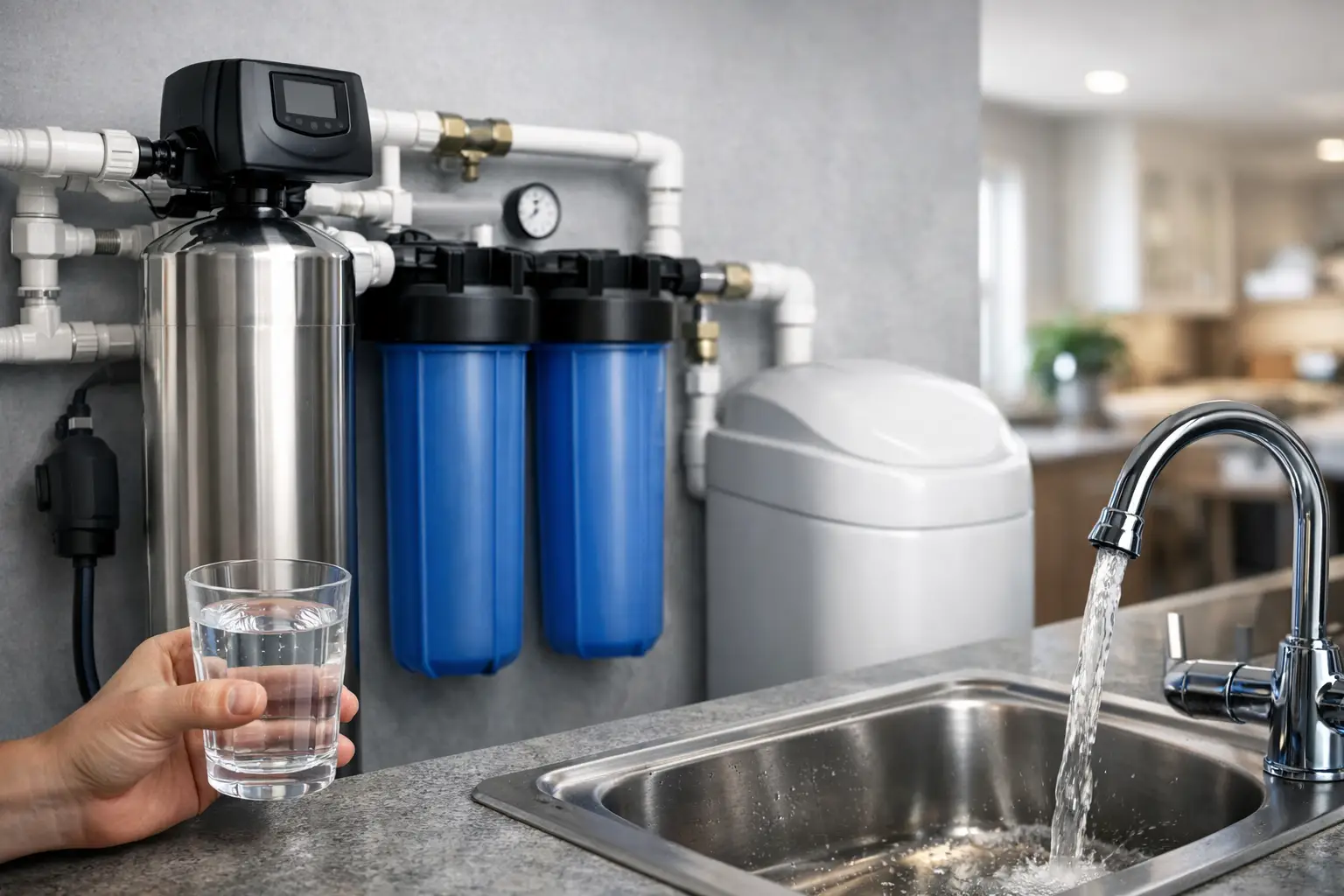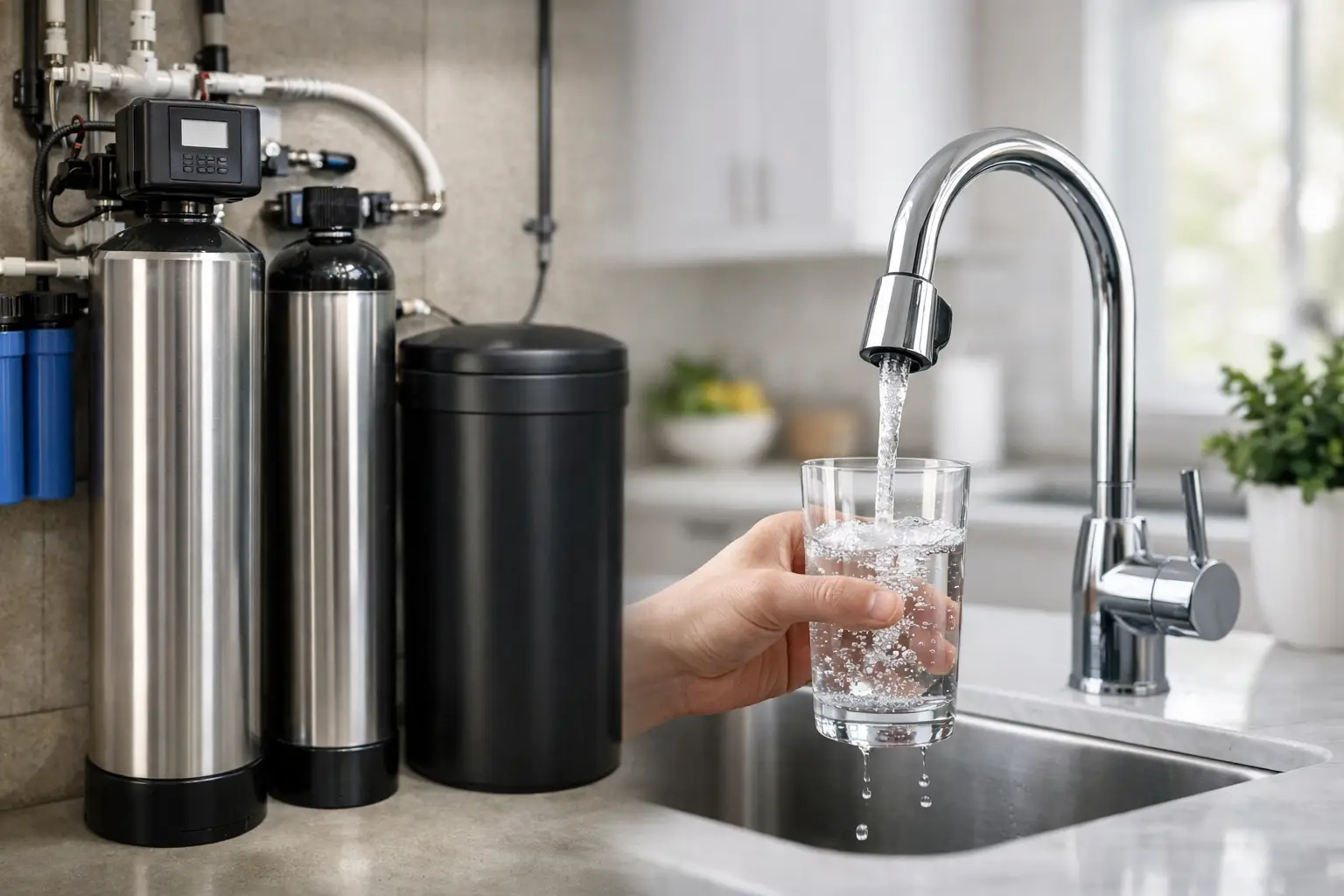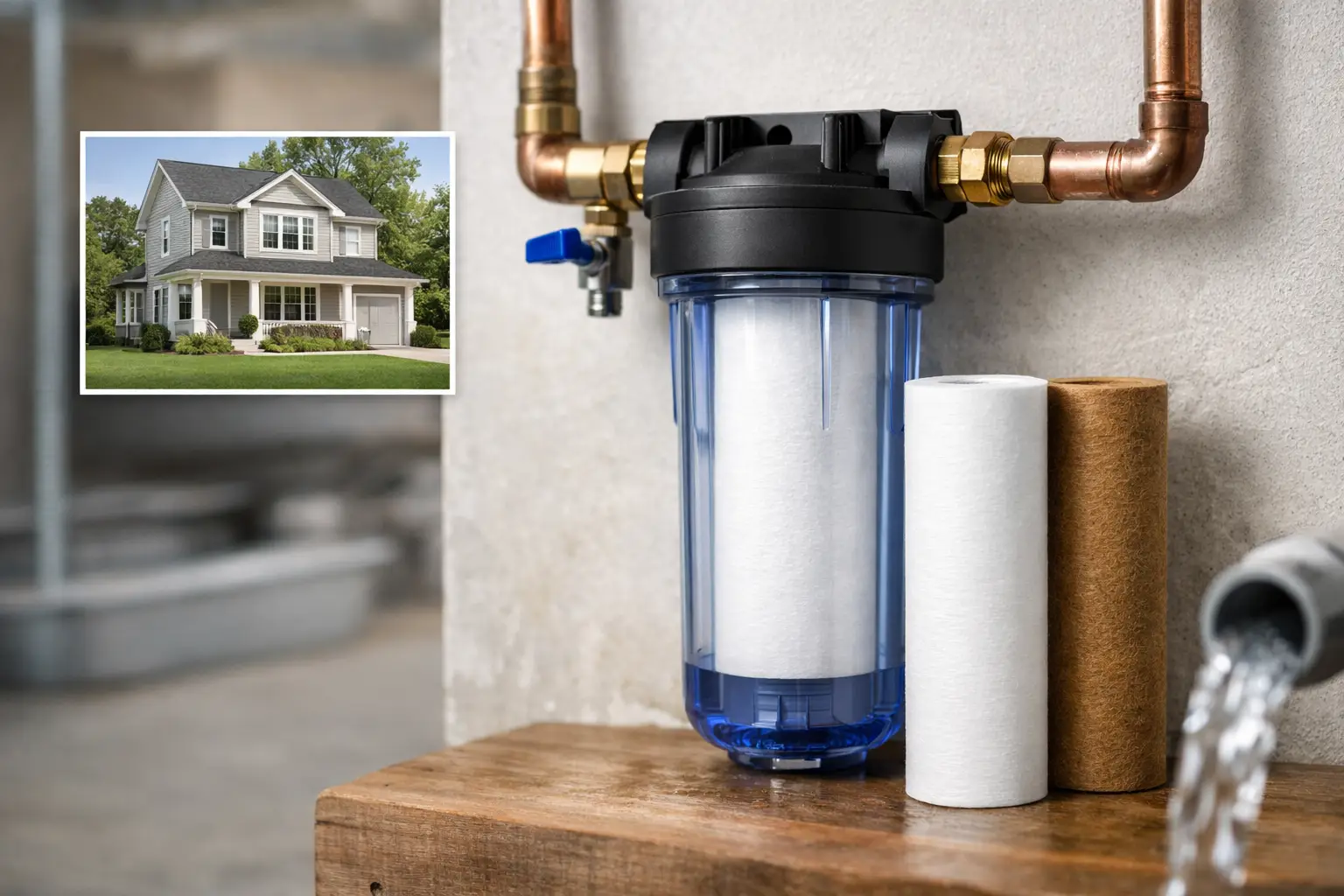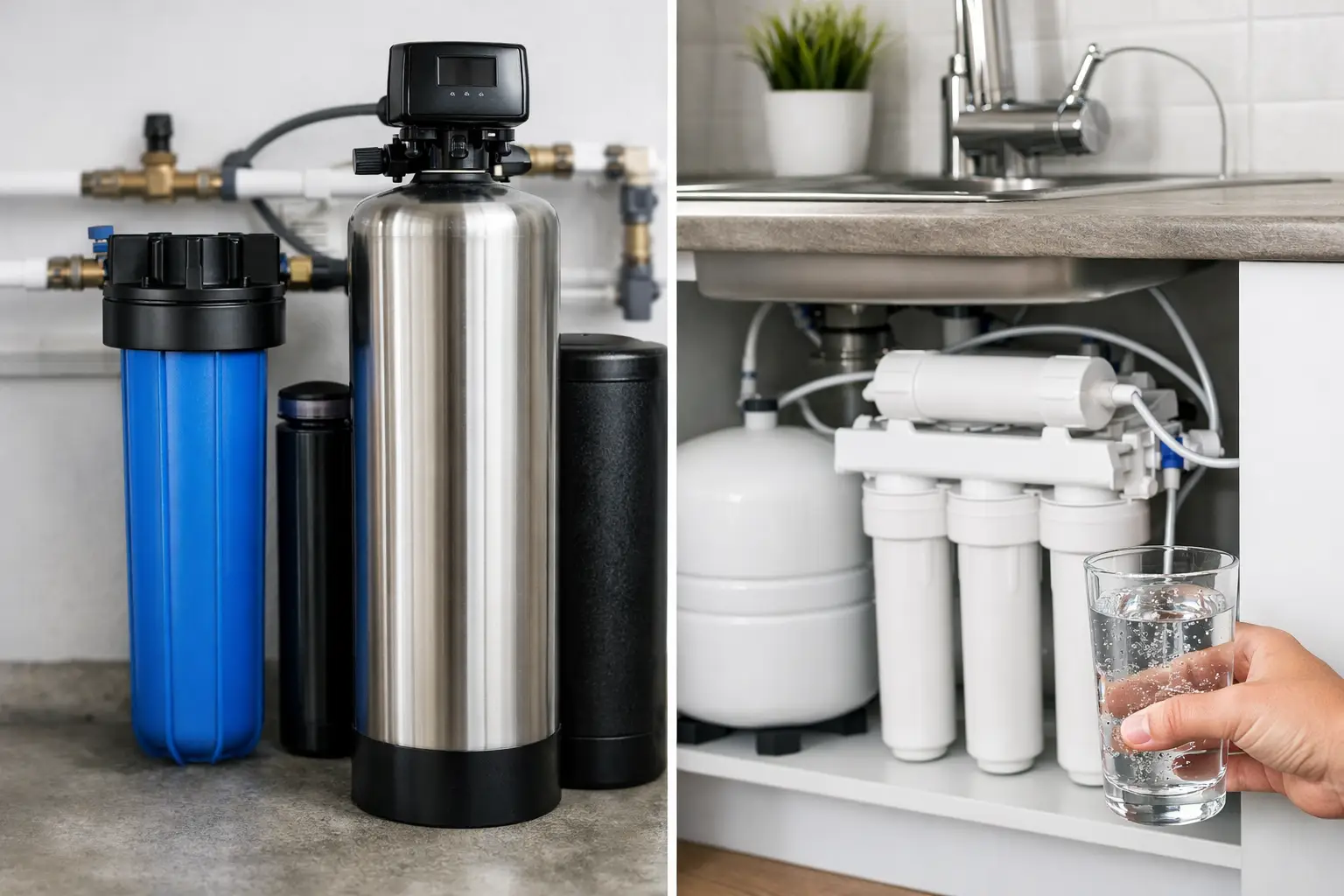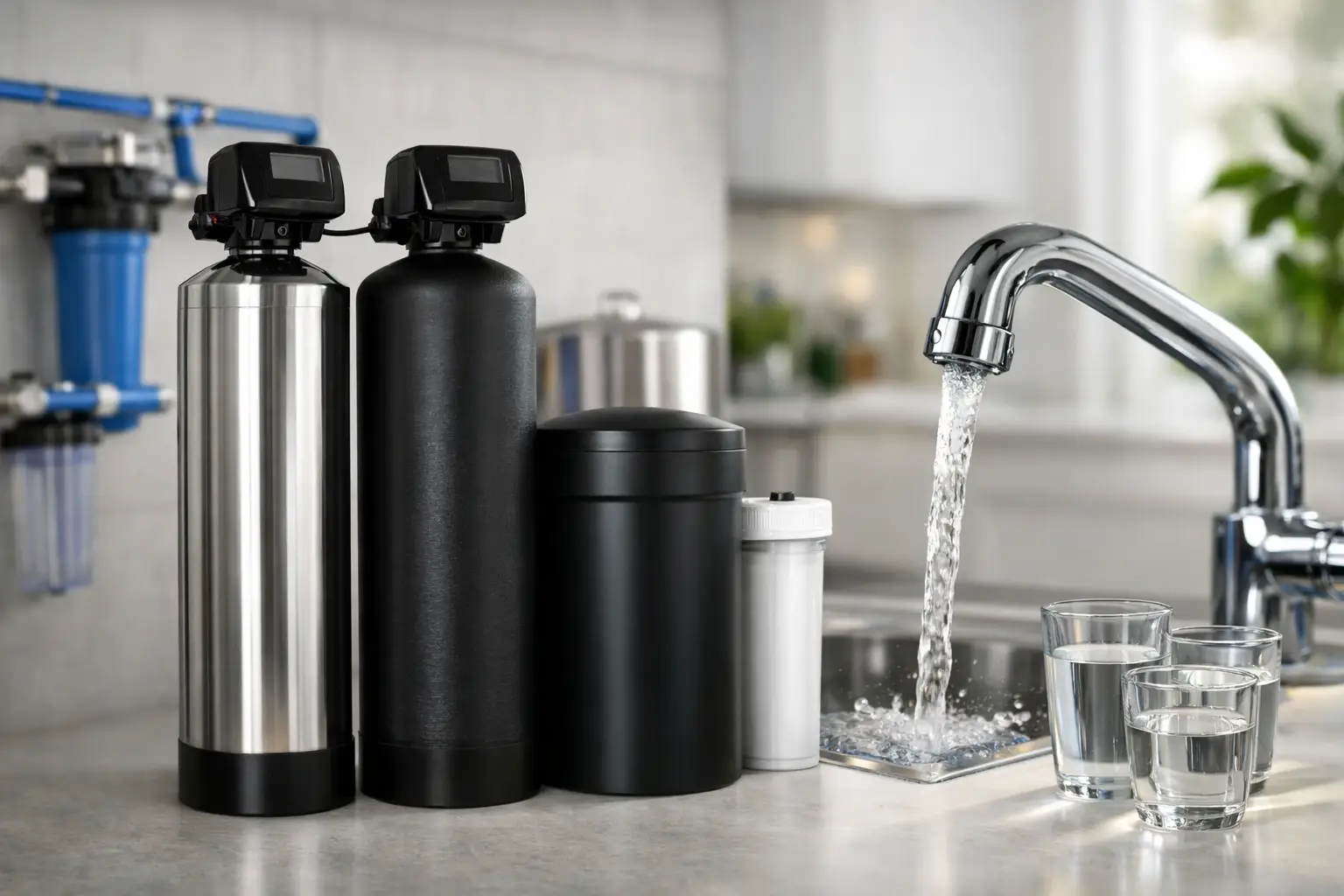


Hard water usually shows up before you ever test it. You see spots on the shower door, feel soap residue on your skin, notice stiff laundry, and start replacing water-using appliances sooner than you should. When homeowners start comparing water softener vs salt free conditioner options, the real question is not which system sounds better. It is which one actually solves the problem you have.
That distinction matters because these two systems do not do the same job. They are often grouped together because both are used in homes with hard water, but the way they treat that water is very different. If you want cleaner-feeling water, less scale, better soap performance, and longer appliance life, the best choice depends on your water chemistry, your goals, and how much hardness you are dealing with.
Water softener vs salt free conditioner: what is the difference?
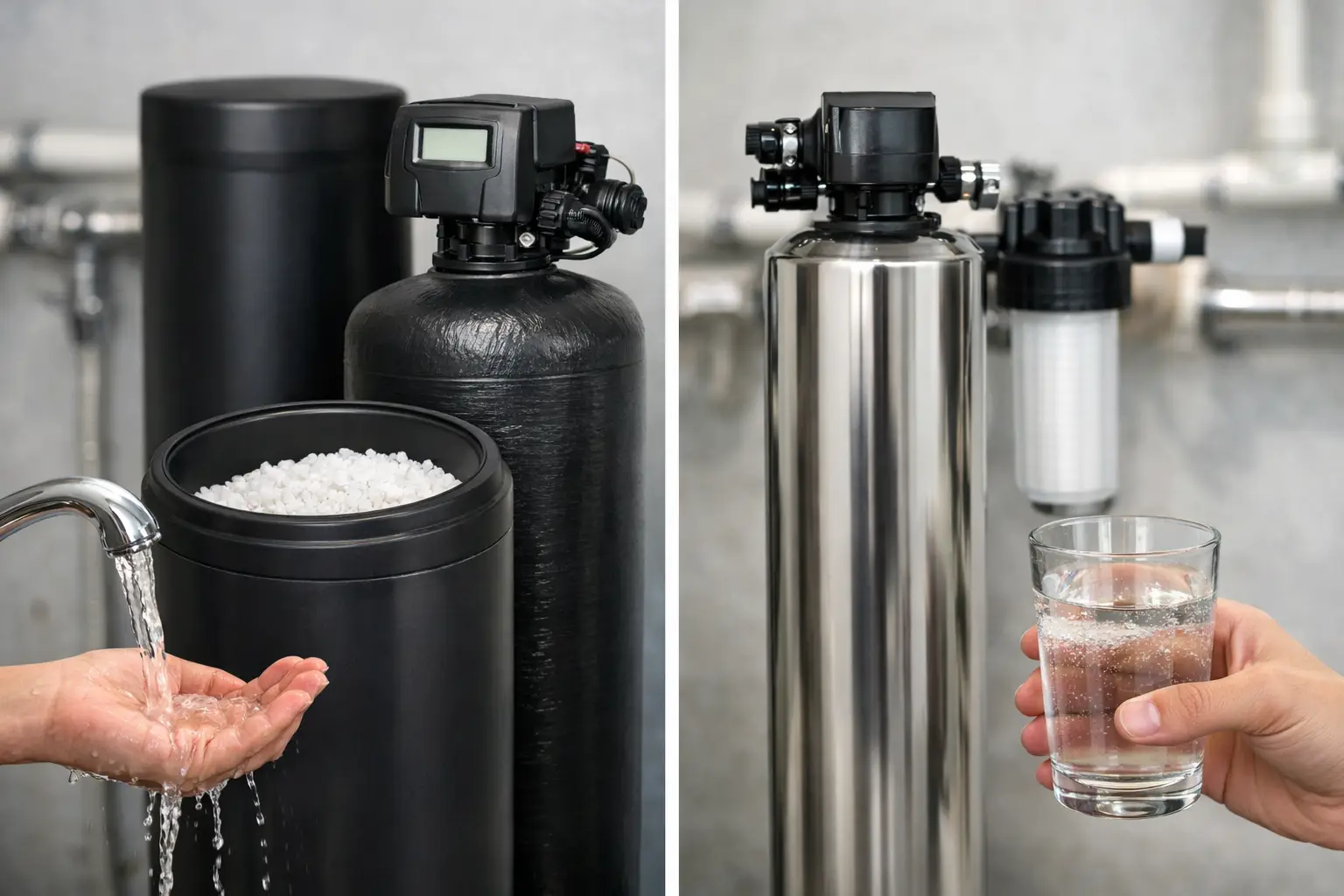
A water softener removes hardness minerals from the water. Those minerals are usually calcium and magnesium. Traditional softeners use ion exchange resin to swap those hardness minerals for sodium or potassium, which prevents them from causing scale and soap problems throughout the house.
A salt free conditioner does not remove hardness minerals. Instead, it changes the behavior of those minerals so they are less likely to stick to plumbing fixtures, heating elements, and pipe walls as scale. Depending on the technology, this is often described as scale conditioning or crystallization.
That is the core difference. A softener changes the water by removing hardness. A salt free system changes how hardness acts in the plumbing system.
For many homeowners, that one point clears up most of the confusion. If you expect a salt free conditioner to make hard water feel soft, it usually will not. If you expect it to reduce or manage scale, it may do that well under the right conditions.
What a water softener does best
If your home has moderate to very hard water, a water softener is usually the more complete solution. Because it removes hardness minerals, it addresses the everyday problems people notice most.
Soap lathers better in softened water. Skin and hair often feel cleaner after bathing. Dishes come out with fewer spots. Laundry feels less stiff. Water heaters, dishwashers, and washing machines also tend to work more efficiently when hardness is removed instead of left in the water.
This is especially important if you are dealing with heavy scale buildup already. A softener is the stronger option when your goal is to protect plumbing and appliances over the long term, not just reduce how quickly scale forms.
There are trade-offs. Water softeners need salt or potassium for regeneration. They require a drain connection and some ongoing maintenance. You also need to keep an eye on salt levels, and some homeowners prefer to avoid adding sodium to the water, even though the amount varies by hardness level and system settings.
That said, for homes with serious hardness issues, those trade-offs are often worth it because the performance difference is noticeable every day.
When a softener makes the most sense
A water softener is usually the better fit if you have very hard water, frequent scale buildup on fixtures, poor soap performance, appliance wear, or that slippery-clean feeling matters to you. It is also often the right call if you are trying to protect a tankless water heater or any system that is sensitive to scale.
If your household wants the full comfort benefits of treated water, not just scale control, a softener tends to be the system that delivers that result.
What a salt free conditioner does best
A salt free conditioner is designed primarily for scale prevention or scale reduction. It is a good option for homeowners who want a lower-maintenance system and do not want to handle salt, electricity, or regeneration cycles.
Because it does not remove hardness minerals, the water usually keeps its original mineral content. Some homeowners prefer that. Salt free systems are also appealing where drain access is limited or where people want a simpler installation and less routine upkeep.
In the right setting, a salt free conditioner can help reduce scale accumulation on plumbing and appliances. It may also help existing scale gradually loosen in some cases. But it is important to keep expectations realistic. You may still see spotting on dishes and shower glass. Soap may still behave like it does in hard water. The water will not usually have the classic soft water feel.
This is where many buying mistakes happen. A homeowner wants softer-feeling water, buys a salt free unit because it sounds easier, and then feels disappointed when the water still behaves like hard water in the shower and laundry room.
When a salt free conditioner makes the most sense
A salt free system can be a smart choice if your main concern is scale, your water hardness is not extreme, and you want a lower-maintenance approach. It can also be a good fit for households that want to avoid salt-based regeneration and are comfortable with the fact that hardness minerals remain in the water.
For some homes, especially where scale control is the main target and comfort changes are less important, that is a practical and cost-effective decision.
Water softener vs salt free conditioner for real household problems
The easiest way to compare these systems is to match them to what you are actually experiencing at home.
If your biggest frustration is chalky buildup on faucets, a white ring in toilets, and scale on heating elements, both systems may help, but a softener is the stronger answer when hardness is high. If your biggest frustration is how your skin feels after a shower, how your hair behaves, and how hard it is to get a good lather with soap, a softener is the clear winner.
If you simply want to reduce scale potential and keep maintenance light, a salt free conditioner may be enough. If you want to improve the overall feel and performance of water across bathing, cleaning, laundry, and appliance protection, a softener usually offers more noticeable results.
That is why a good recommendation starts with water testing, not marketing claims. Hardness level matters. So do pH, iron, manganese, chlorine, sediment, and total household water use.
The role of water quality beyond hardness
This comparison gets even more important when hard water is not the only issue in the home. Many households also deal with chlorine, chloramine, sulfur odor, sediment, iron staining, or well water contamination concerns. Neither a standard water softener nor a salt free conditioner is a complete whole-house water treatment solution on its own.
A softener treats hardness. A salt free conditioner manages scale. But if your water smells like chlorine, leaves rust stains, or has visible sediment, you may need additional filtration before or alongside either system.
This is where homeowners often benefit from a more complete system design rather than trying to solve everything with one piece of equipment. At Authentic Water USA, that is often the difference between buying a product and actually solving the water problem.
Installation, maintenance, and long-term cost
A salt free conditioner usually has the edge on simplicity. It often does not need electricity, does not regenerate, and does not require salt refills. That can mean lower maintenance and a cleaner ownership experience.
A water softener has more ongoing responsibility. You will need to refill salt, keep the system set properly, and service it when needed. But the added maintenance comes with more complete hardness treatment.
Long-term cost depends on what you are trying to prevent. A lower-maintenance conditioner may save effort, but a softener may save more in appliance efficiency, plumbing protection, detergent use, and scale-related wear if your hardness is high enough. The cheaper system upfront is not always the better value over time.
Which one should you choose?
If you want true hardness removal, better soap performance, softer-feeling water, and stronger protection against scale, choose a water softener. If you want a simpler system focused mainly on scale control and you are comfortable leaving hardness minerals in the water, a salt free conditioner may be the better fit.
There is no honest one-size-fits-all answer here. A family on very hard municipal water may need a softener to get the result they expect. A homeowner with mild to moderate hardness who wants less maintenance may be perfectly happy with a salt free conditioner. The right choice depends on your water and your priorities, not just the label on the system.
If you are unsure, start with a real water analysis and a clear picture of what bothers you most right now. Better water at home should feel simpler, not more confusing. When the system matches the problem, the difference shows up everywhere from your shower to your water heater to the glass of water at your kitchen sink.