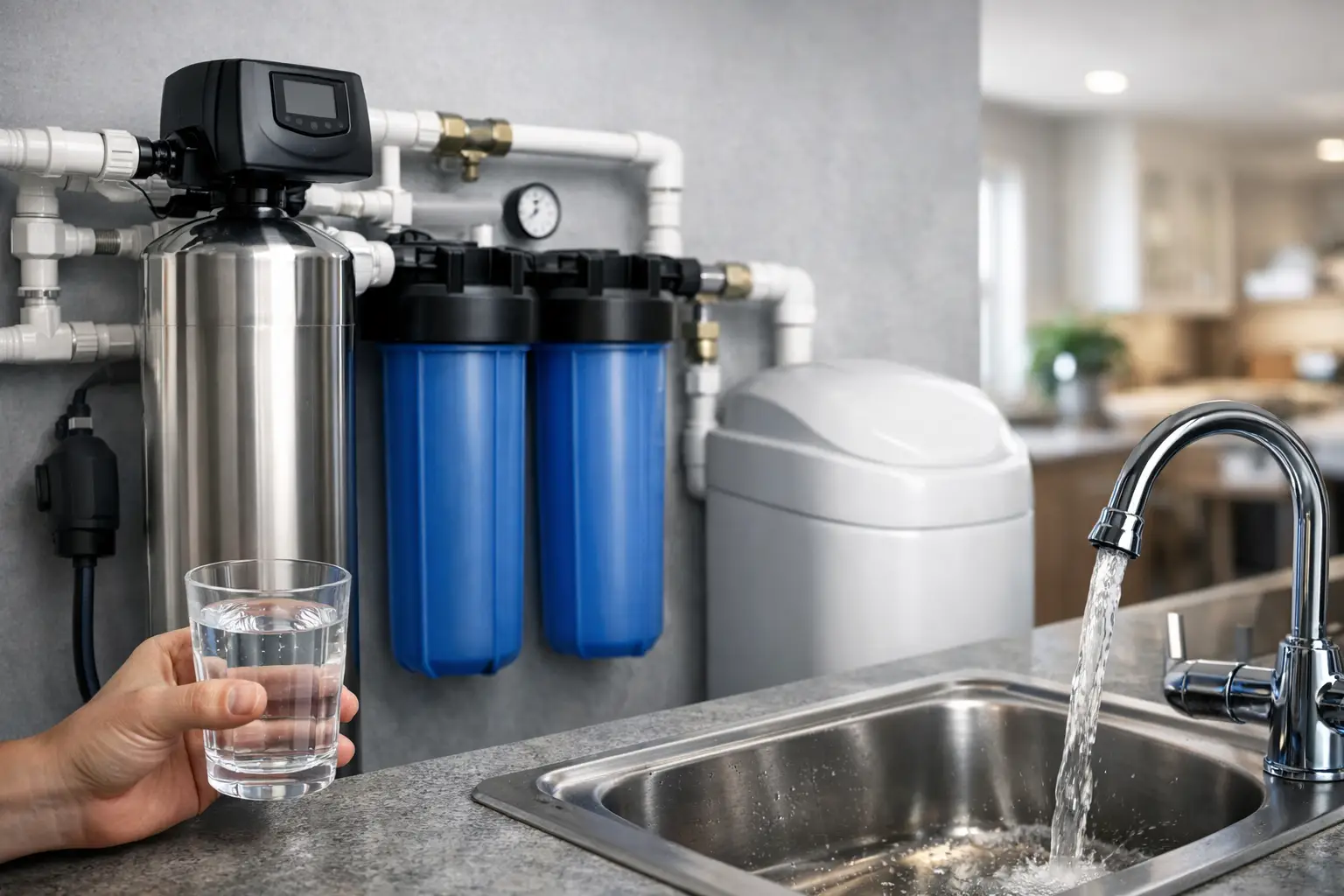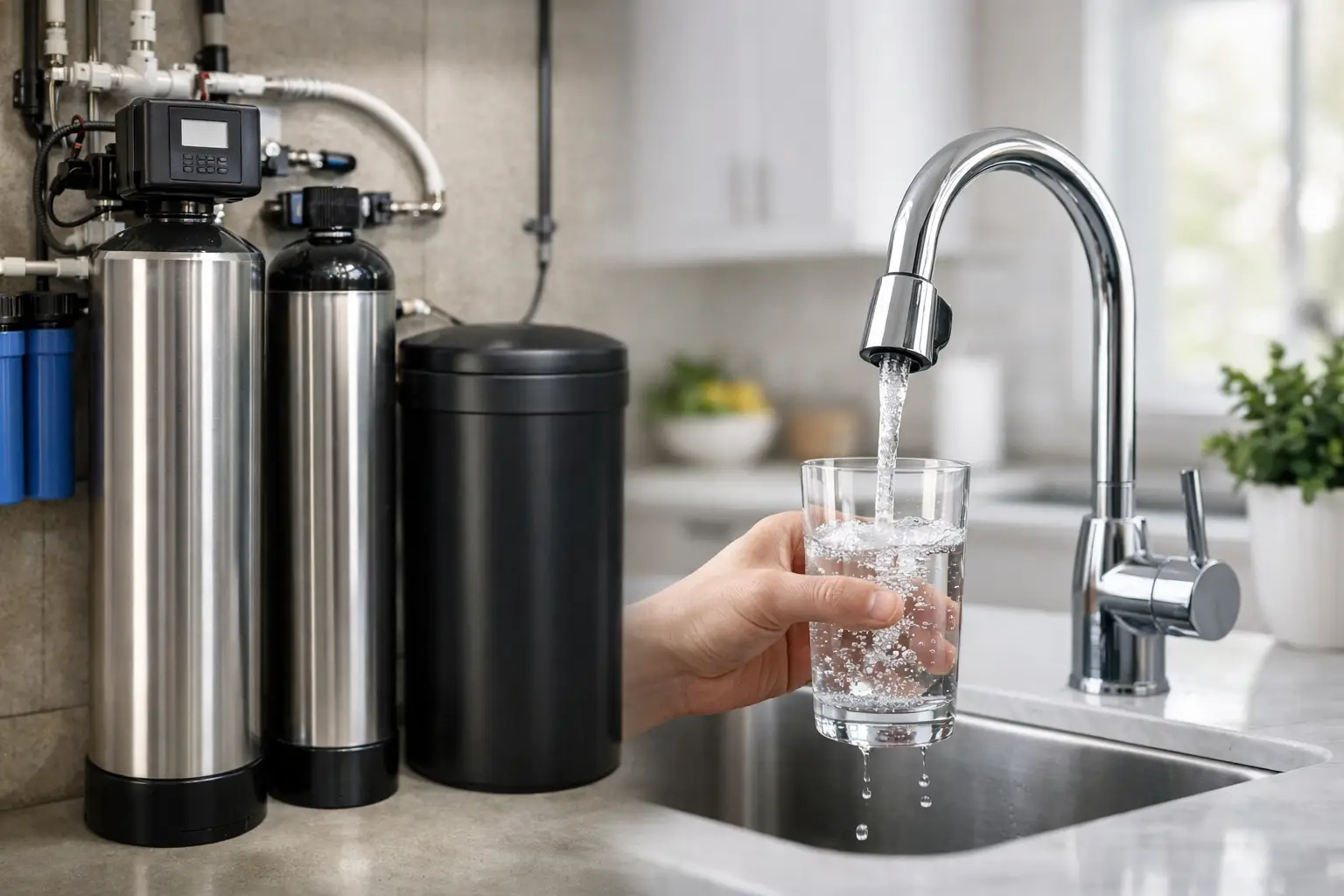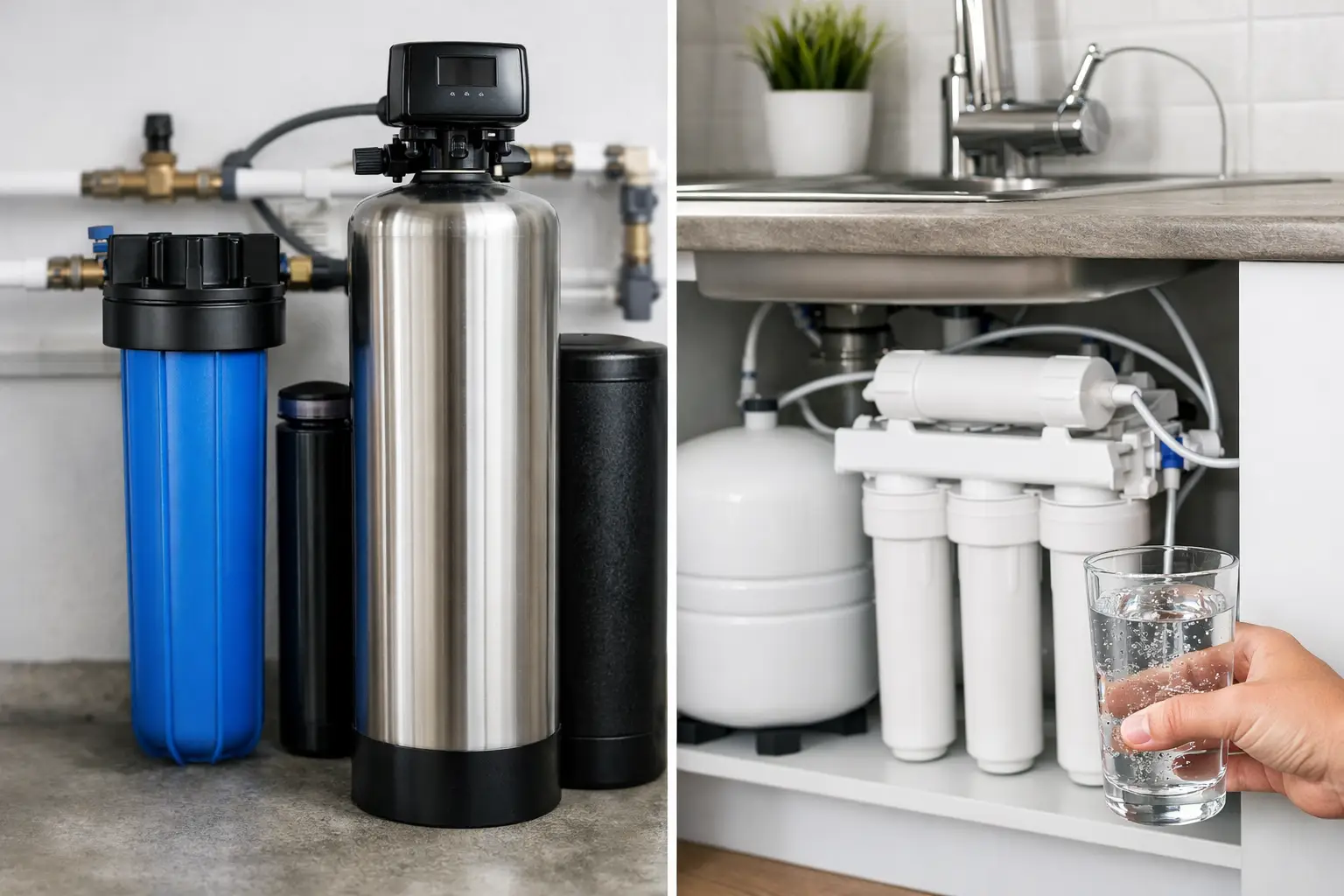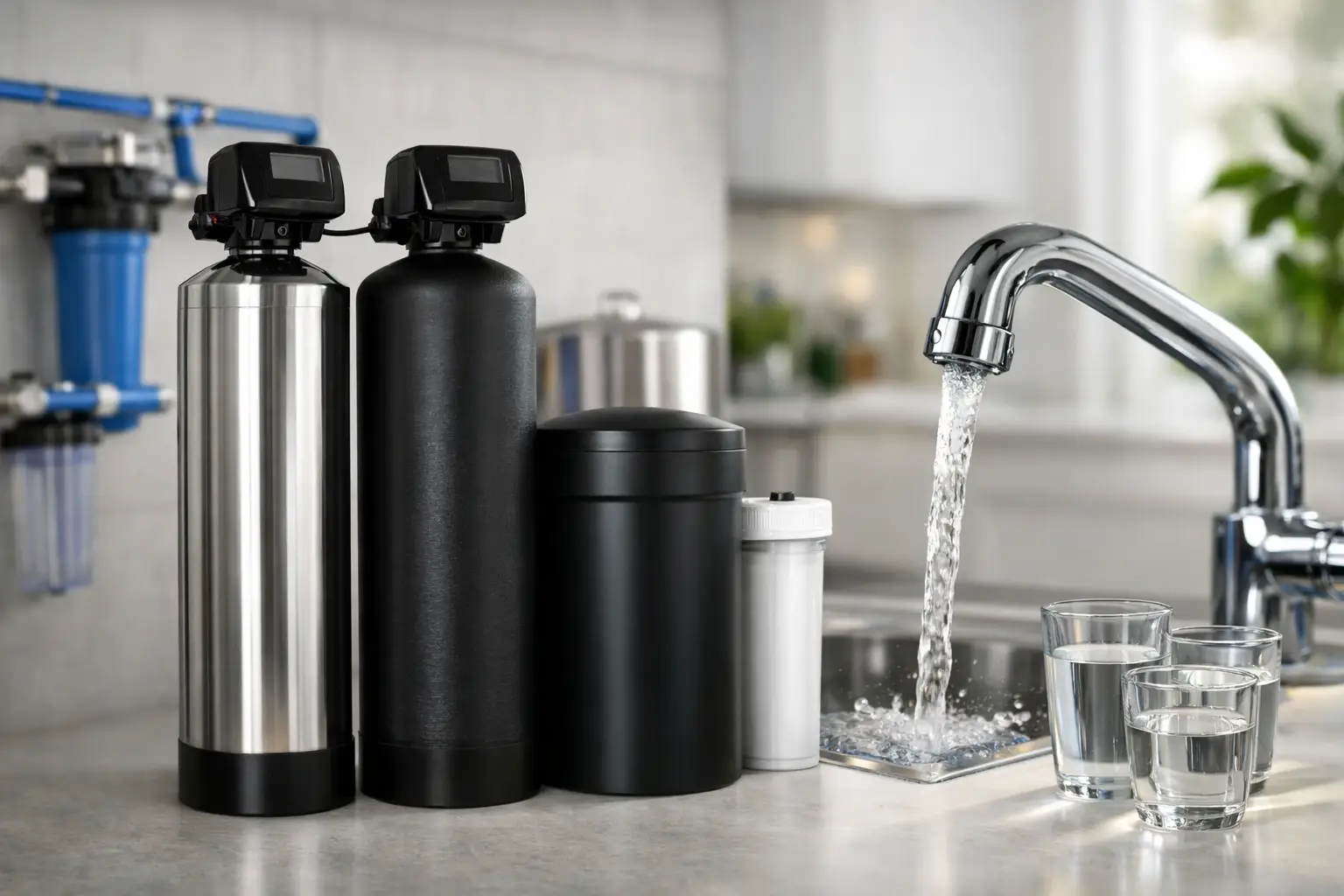


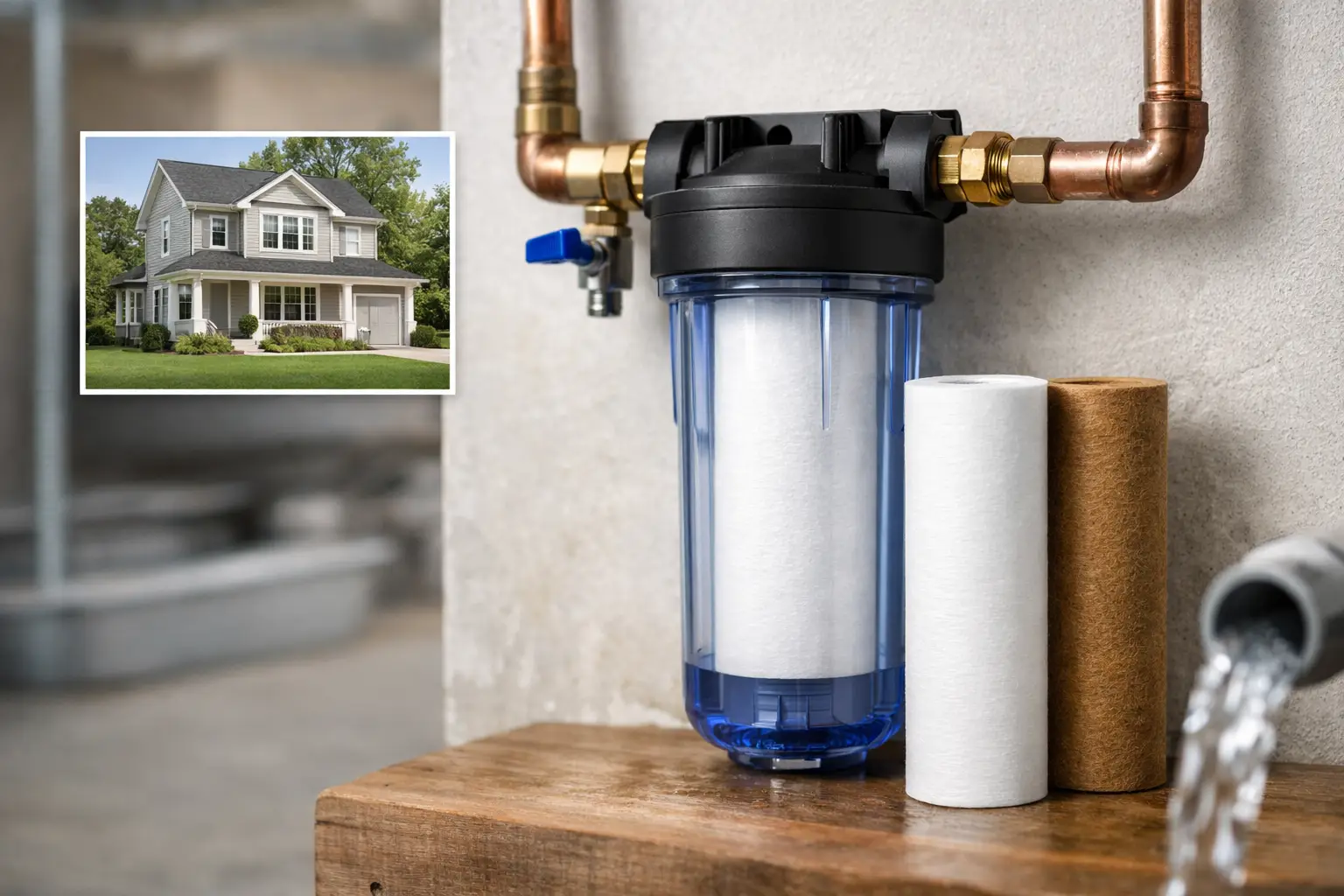
You usually notice sediment before you know what to call it. It shows up as grit in the tub, cloudy water after plumbing work, a faucet aerator that clogs too often, or cartridge filters that seem to wear out faster than they should. In many homes, a sediment filter for whole house water is the first piece of equipment that makes everything else work better.
That matters because sediment is not just a cosmetic issue. Sand, silt, rust, and other suspended particles can scratch valves, clog fixtures, reduce water pressure, and shorten the life of softeners, carbon filters, reverse osmosis systems, water heaters, washing machines, and dishwashers. If your goal is cleaner water throughout the home, sediment control is often the starting point.
What a sediment filter for whole house water actually does
A whole-house sediment filter is installed where water enters the home, before it branches off to showers, sinks, appliances, and other treatment systems. Its job is simple – trap suspended particles before they move deeper into your plumbing.
Depending on your water source, those particles may include sand, dirt, silt, pipe scale, rust flakes, and debris stirred up by municipal line work or well system changes. The filter does not disinfect water, soften hardness minerals, or remove dissolved chemicals like chlorine. It handles physical particulates. That sounds narrow, but it solves a very real problem and protects the equipment that handles everything else.
In practical terms, that means fewer clogged showerheads, less debris in toilet fill valves, and better performance from downstream systems. If you already have a carbon filter or water softener and it seems to need more maintenance than expected, untreated sediment may be part of the reason.
Who needs a sediment filter for whole house use?
Well water homes are the most obvious candidates. Wells often carry sand, grit, and fine silt, especially after pump replacement, seasonal groundwater changes, or disturbances in the well itself. In that setting, sediment filtration is rarely optional.
Municipal water homes may need it too. City water is treated, but that does not guarantee zero particles. Aging water mains, construction in the area, hydrant flushing, and internal pipe corrosion can all introduce sediment or rust. Some homeowners notice it only occasionally. Others deal with it regularly, especially in older neighborhoods.
If your water looks clear but fixtures keep clogging, that still points to sediment. Fine particles are not always visible in a glass of water. Sometimes the first clue is pressure loss at one faucet, premature cartridge changes, or dark residue caught in a prefilter screen.
How to tell if sediment is your real problem
Sediment is easy to confuse with other water issues, so a little diagnosis goes a long way. Cloudy water that clears from the bottom up may be air, not sediment. Orange staining can involve iron, not just rust particles. Slimy buildup may point to iron bacteria or biofilm rather than plain grit.
A few signs do strongly suggest sediment. You may see visible particles in a bucket or bathtub, debris in toilet tanks, frequent clogging in faucet aerators, or a noticeable drop in flow after nearby plumbing work. Homes on wells may also hear pump or valve wear earlier than expected when abrasive particles are present.
This is where water testing and a quick look at your plumbing history help. The right system depends on whether you are dealing with coarse sand, fine silt, oxidized iron, or a combination of problems. One filter can handle all of that only in a very general sense. The better approach is matching the filter style and micron rating to the actual water.
Micron size matters more than most homeowners expect
When people shop for a sediment filter, they usually focus on the housing or the replacement cartridge. The more important question is micron size.
A micron is a unit used to describe particle size. A 50-micron filter catches larger visible grit. A 5-micron filter catches much finer particles. Smaller micron ratings filter more aggressively, but they also create more resistance to flow and may clog faster if the incoming water is dirty.
That trade-off matters. If you choose a filter that is too coarse, fine sediment passes through and continues causing trouble. If you choose one that is too fine, you may lose water pressure or end up changing cartridges constantly.
Common micron ranges for whole-house sediment filtration
For coarse sand or heavy visible debris, a filter in the 20 to 50 micron range is often a practical first stage. For finer sediment, many homes benefit from 5 to 10 microns. If the goal is polishing water before another treatment stage, even tighter filtration may make sense, but only when the system is sized properly.
In some homes, the right answer is not one filter but two stages. A larger prefilter catches the big debris first, and a finer cartridge follows it. That setup can improve protection while reducing the pressure drop and maintenance burden that a single fine filter would create.
Not all sediment filters work the same way
The term sediment filter covers several product types. That is one reason homeowners get mixed advice.
Spin-down filters are useful when water contains heavier particles like sand or larger debris. They can often be flushed and reused, which makes them practical as a first defense on some well systems. They are not always enough for fine silt.
Cartridge-based filters are the most common for residential use. These may use pleated, spun, or string-wound media. Pleated cartridges are often washable and work well for larger particles. Spun and depth-style cartridges tend to capture finer sediment more effectively, but they are typically replaced rather than cleaned.
Backwashing sediment media systems are another option when the sediment load is high or maintenance needs to stay low. These systems can make sense for homes with persistent sediment problems, but they need proper sizing and are not automatically the best fit for every budget or water profile.
Where sediment filtration fits in a complete water system
A sediment filter is often the first stage, not the entire solution. If your home also has chlorine, chloramine, sulfur odor, hard water, iron, or manganese issues, sediment filtration protects the equipment designed to address those problems.
For example, carbon media can foul more quickly when loaded with dirt and rust. Water softeners can experience valve wear or resin fouling when sediment slips through. Reverse osmosis membranes are especially vulnerable to particulates. Even a tankless water heater benefits when abrasive material is reduced before it reaches internal components.
That is why system order matters. In many homes, sediment filtration comes first, followed by specialty treatment such as carbon filtration, softening, or other targeted contaminant reduction. The exact layout depends on the water source and the problems you are solving.
How to avoid pressure loss and constant filter changes
The biggest frustration with a sediment filter for whole house use is usually pressure drop. Homeowners install one to protect the house, then feel like the shower is weaker a month later.
That usually points to one of three issues. The filter may be too fine for the sediment load, the housing may be undersized for the home’s flow demand, or the incoming water simply carries more debris than a basic single-cartridge setup can handle.
A larger filter housing, a higher-flow design, or a staged approach often fixes the problem. So does being realistic about maintenance. A filter that traps sediment is doing its job, but every filter has a loading limit. If your water is especially dirty, frequent cartridge changes are not a defect. They are a clue that the system needs a better match.
For homeowners who want less trial and error, this is where expert guidance makes a real difference. Authentic Water USA helps homeowners match filtration to the water problem instead of guessing based on packaging claims.
When a sediment filter alone is not enough
A sediment filter improves clarity and protects plumbing, but it does not remove dissolved contaminants. If your concerns include chlorine taste, chemical exposure, bacteria, hardness, sulfur odor, or nitrates, you will need more than sediment reduction.
That is not a downside. It is just about using the right tool for the right job. A home with visible grit may also need a carbon filter for chlorine or a softener for hardness. A well-water home may need sediment control plus iron treatment or UV disinfection. Good water treatment is rarely about one magic product. It is about building the right system in the right order.
What to look for before you buy
Focus less on marketing language and more on fit. Start with your water source, the type of sediment, how much flow your household uses at peak times, and whether other equipment needs protection. Then consider maintenance – how often you are willing to replace cartridges, whether you want washable components, and how much installation space you have.
Transparent sizing and honest recommendations matter here. The cheapest sediment filter may solve the problem for a week. The right one protects your plumbing, supports the rest of your water system, and keeps daily water use comfortable.
Clean water at home should feel better, not more complicated. If sediment is showing up in your fixtures, appliances, or filter cartridges, treating it early is one of the simplest ways to protect your plumbing and make every other water solution work the way it should.