


Chromium-6, also called hexavalent chromium, is a chemical form of chromium that can enter drinking water through natural geological sources or industrial pollution. Long-term exposure to elevated levels may increase certain health risks. Certified testing and targeted filtration methods—especially reverse osmosis or anion exchange—are among the most reliable ways to reduce chromium-6 levels in household water. Professional testing ensures the right system is selected based on your home’s specific water chemistry and usage patterns.
Quick Facts About Chromium-6 in Drinking Water
- Chromium-6 (hexavalent chromium) is a reactive form of chromium that can enter groundwater through industrial waste or natural mineral deposits.
- Federal drinking water standards regulate total chromium, which includes both chromium-3 and chromium-6.
- Boiling water does not remove chromium-6 and may slightly increase its concentration as water evaporates.
- Reverse osmosis systems and strong-base anion exchange filters are among the most effective filtration methods for chromium-6 reduction.
- Exposure primarily occurs through drinking and cooking water, rather than through bathing or skin contact.
- Independent water testing provides the most accurate way to determine chromium-6 levels in your home’s water supply.
Chromium-6 and Cancer Risk in Drinking Water
Chromium-6, also known as hexavalent chromium, is a form of chromium that can pose potential health concerns when present in drinking water at elevated levels over long periods. While chromium occurs naturally in the environment, hexavalent chromium is more chemically reactive than other forms and has been associated with certain health risks in scientific research. According to information from the U.S. Environmental Protection Agency (EPA), long-term exposure to high concentrations of hexavalent chromium may increase cancer risk when ingested in drinking water.
Chromium-6 can enter water supplies through both natural and human-made pathways. Industrial activities such as metal plating, stainless steel manufacturing, textile dye production, and leather tanning may release chromium compounds into soil or groundwater. Over time, these contaminants can migrate through aquifers and reach municipal water systems or private wells. Many families are surprised to learn that even treated municipal water may still contain trace amounts of certain contaminants sometimes found in drinking water, which is why understanding your water supply is so important.
Water chemistry varies significantly between communities, meaning there is rarely a single solution that works for every household. Certified water testing helps identify whether chromium-6 or other impurities are present and at what concentrations. Once homeowners understand their baseline water quality, they can explore treatment options such as reverse osmosis or ion exchange systems designed to reduce exposure.
What Chromium-6 Is and How It Gets Into Drinking Water
Chromium exists in several chemical forms, but the two most common forms found in water are trivalent chromium (chromium-3) and hexavalent chromium (chromium-6). When laboratories measure “total chromium,” they calculate the combined amount of these forms. However, chromium-3 and chromium-6 behave very differently in the body and the environment.
Chromium-3 is considered an essential nutrient in small amounts and plays a role in human metabolism. Chromium-6, by contrast, forms more easily through industrial processes and can persist in groundwater under certain environmental conditions. Understanding which form of chromium is present in drinking water helps determine whether additional filtration may be beneficial.
Chromium-6 may reach water sources through natural erosion of chromium-containing rock formations, but it is often associated with industrial pollution or improper waste disposal. In some regions, chromium may appear alongside other naturally occurring elements such as arsenic in groundwater. Because each contaminant behaves differently, treatment solutions must be tailored to the specific water chemistry of a household.
Regulation and Water Quality Data
In the United States, drinking water regulations currently limit total chromium rather than chromium-6 alone. This means that both chromium-3 and chromium-6 are measured together under a single standard. However, some researchers and state regulators have raised questions about whether this approach fully reflects the health implications of hexavalent chromium specifically.
Public water utilities must publish annual Consumer Confidence Reports that summarize the substances detected in the local water supply. These reports offer a useful starting point for understanding regional water quality. Homeowners can also compare regional test results using resources such as the EWG water database, which compiles publicly available water testing information across many communities.
Private wells are not regulated in the same way as municipal systems, which means testing becomes the responsibility of the homeowner. Certified laboratory testing provides the most accurate way to determine whether chromium-6 or other metals are present and whether filtration may be beneficial.
How Exposure to Chromium-6 Occurs in the Home
The primary pathway for chromium-6 exposure in households is through ingestion. Drinking water, cooking water, and beverages prepared with tap water represent the most common ways people consume trace contaminants that may be present in their supply. Because ingestion is the main exposure route, many treatment strategies focus on improving water quality at the kitchen sink.
Other contaminants behave differently in water. Some compounds, such as certain disinfection byproducts discussed in trihalomethane studies, may also be inhaled during hot showers or baths. Chromium-6, however, is far less likely to enter the body through skin contact compared with ingestion through drinking water.
Hard water is a separate issue entirely. Hard water contains minerals like calcium and magnesium that can affect appliance efficiency but do not present a safety concern. Understanding the difference between comfort issues and chemical contaminants helps homeowners design a treatment plan that addresses both performance and water quality.
Filtration Methods That Can Reduce Chromium-6
Advanced filtration technologies can help reduce chromium-6 concentrations in drinking water when properly designed and maintained. Reverse osmosis systems are among the most commonly recommended treatment methods. These systems force water through a semi-permeable membrane that separates many dissolved metals, salts, and contaminants from drinking water.
Another approach involves strong-base anion exchange filtration. These systems use specialized resins that exchange negatively charged ions in the water for harmless ions, allowing them to capture hexavalent chromium effectively. Because system performance depends on water chemistry, testing is essential before selecting equipment.
It is important to understand that traditional water softeners are not designed to remove chromium-6. Softening systems address hardness minerals such as calcium and magnesium, which improve appliance performance but do not target heavy metals. Likewise, salt-free conditioners do not remove hardness minerals and are not designed to treat chromium contamination.
Whole-Home vs Under-Sink Filtration Strategies
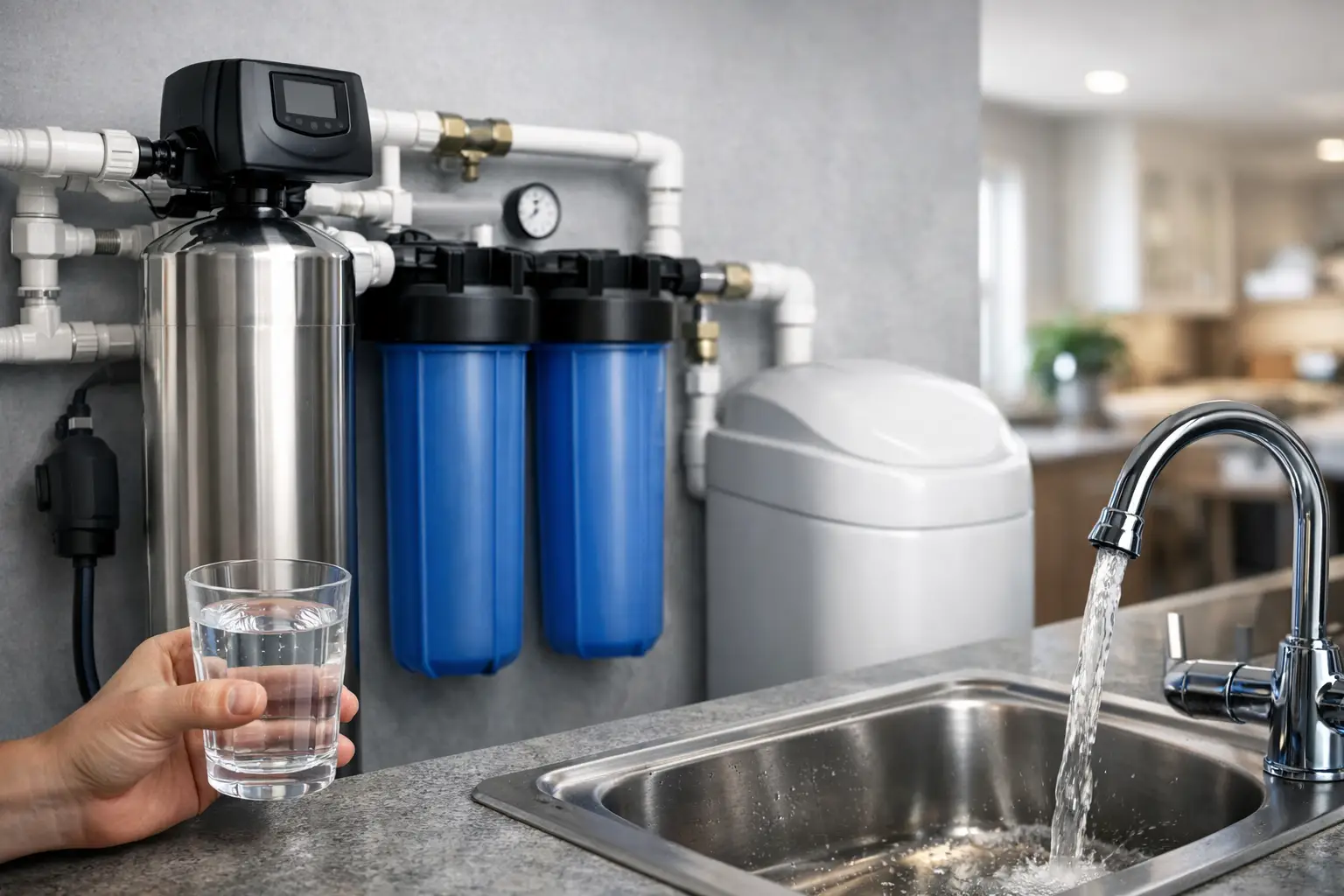
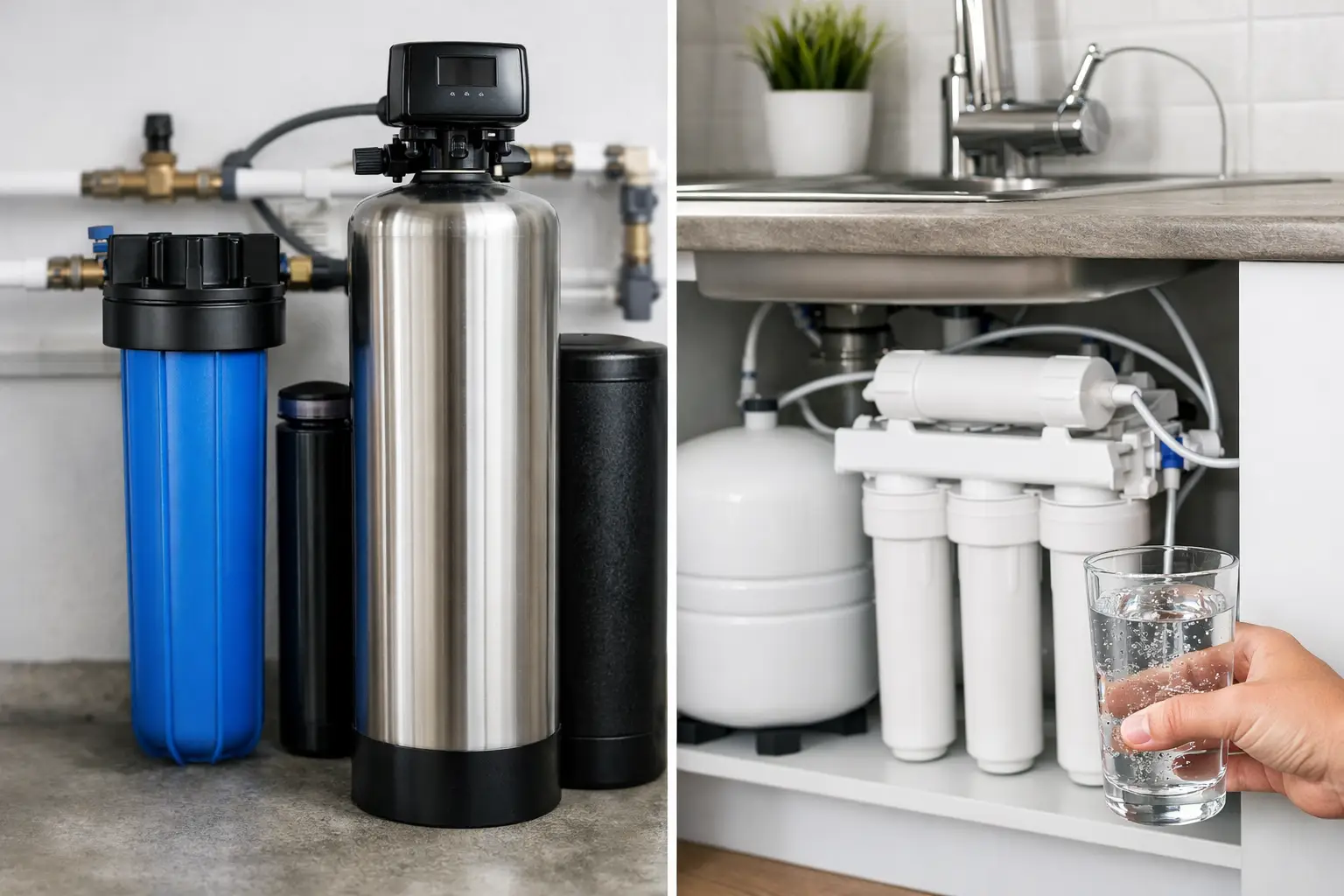
Water treatment systems generally fall into two categories: point-of-entry (POE) systems and point-of-use (POU) systems. A point-of-entry system treats all the water entering a home, helping address issues such as chlorine, sediment, or other widespread water contaminants. These systems benefit the entire plumbing system and household appliances.
Point-of-use systems focus on specific taps where drinking and cooking water are used. Reverse osmosis units installed under the kitchen sink are a common example. Because chromium-6 exposure primarily occurs through ingestion, many homeowners prefer to target filtration at the drinking water tap.
In many cases, a combination of POE and POU systems offers the most balanced protection. A whole-home carbon filter can manage general water quality concerns while a reverse osmosis system addresses metals or other dissolved contaminants at the tap.
Testing First, Then Choosing the Right Treatment
The most reliable way to address chromium-6 concerns is to begin with certified water testing. Municipal water users can review their annual water quality reports, but independent testing may provide more detailed information about trace contaminants. Private well owners should rely on laboratory testing to evaluate both natural minerals and potential industrial pollutants.
Once water test results are available, homeowners can identify treatment goals and choose filtration systems designed to address those specific contaminants. Systems certified under recognized standards—such as NSF/ANSI testing protocols—offer additional confidence in performance.
For homeowners ready to explore filtration options or schedule testing, contacting a professional water treatment provider through professional water testing services can help ensure the system design matches the home’s water chemistry and usage patterns.
Frequently Asked Questions About Chromium-6 in Drinking Water
What is chromium-6?
Does boiling water remove chromium-6?
What filtration system removes chromium-6?
Do water softeners remove chromium-6?
How can I test my water for chromium-6?
Bringing It All Together: Lowering Risk Through Testing and Filtration
Understanding chromium-6 in drinking water allows homeowners to take practical steps toward improving water quality. Hexavalent chromium can enter water supplies through natural geological sources or industrial pollution, and the potential health risks depend on concentration and long-term exposure. Because water chemistry varies widely across regions and households, testing remains the most reliable way to determine whether chromium-6 is present and at what levels.
Once water quality is understood, treatment strategies such as reverse osmosis or anion exchange filtration can help reduce exposure. Combining targeted filtration with regular testing and maintenance ensures that systems continue to perform as intended. While no water source is completely free of minerals or trace substances, well-designed filtration systems can significantly improve drinking water quality and household confidence.
For homeowners interested in learning more about related water issues such as lead contamination in drinking water, additional research can help clarify how different contaminants interact with plumbing systems and filtration technologies.
Take the Next Step Toward Cleaner Drinking Water
Taking action starts with understanding your water. Scheduling a certified water test provides the information needed to determine whether chromium-6 or other contaminants are present in your supply. From there, homeowners can evaluate filtration options that match their household water use and treatment goals.
Working with experienced water treatment professionals helps ensure proper system sizing, installation, and maintenance. If you would like guidance or would like to begin testing, you can schedule a professional water consultation to explore filtration options tailored to your home’s specific water chemistry.