



General Information about Lead in Drinking Water
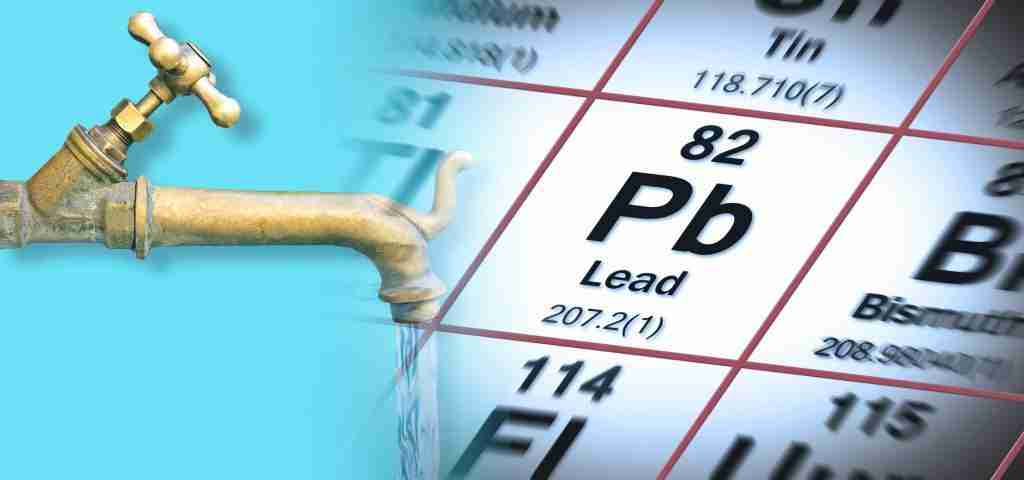
How Lead Gets into Drinking Water Lead can enter drinking water when service pipes that contain lead corrode, especially where the water has high acidity or low mineral content that corrodes pipes and fixtures. The most common problem is with brass or chrome-plated brass faucets and fixtures with lead solder, from which significant amounts of lead can enter into the water, especially hot water. Homes built before 1986 are more likely to have lead pipes, fixtures and solder. The Safe Drinking Water Act (SDWA) has reduced the maximum allowable lead content — that is, content that is considered “lead-free” — to be a weighted average of 0.25 percent calculated across the wetted surfaces of pipes, pipe fittings, plumbing fittings, and fixtures and 0.2 percent for solder and flux. Learn more about the maximum allowable content of lead in pipes, solder, fittings and fixtures Learn more about EPA’s regulations to prevent lead in drinking water Learn how to identify lead-free certification marks on drinking water system and plumbing products (PDF) Corrosion is a dissolving or wearing away of metal caused by a chemical reaction between water and your plumbing. A number of factors are involved in the extent to which lead enters the water, including: the chemistry of the water (acidity and alkalinity) and the types and amounts of minerals in the water, the amount of lead it comes into contact with, the temperature of the water, the amount of wear in the pipes, how long the water stays in pipes, and the presence of protective scales or coatings inside the plumbing materials. To address corrosion of lead and copper into drinking water, EPA issued the Lead and Copper Rule (LCR) under the authority of the SDWA. One requirement of the LCR is corrosion control treatment to prevent lead and copper from contaminating drinking water. Corrosion control treatment means utilities must make drinking water less corrosive to the materials it comes into contact with on its way to consumers’ taps. Learn more about EPA’s regulations to prevent lead in drinking water. *Health Effects of Exposures to Lead in Drinking Water *The health effects information on this page is not intended to catalog all possible health effects for lead. Rather, it is intended to let you know about the most significant and probable health effects associated with lead in drinking water. Is there a safe level of lead in drinking water? The Safe Drinking Water Act requires EPA to determine the level of contaminants in drinking water at which no adverse health effects are likely to occur with an adequate margin of safety. These non-enforceable health goals, based solely on possible health risks, are called maximum contaminant level goals (MCLGs). EPA has set the maximum contaminant level goal for lead in drinking water at zero because lead is a toxic metal that can be harmful to human health even at low exposure levels. Lead is persistent, and it can bioaccumulate in the body over time. Young children, infants, and fetuses are particularly vulnerable to lead because the physical and behavioral effects of lead occur at lower exposure levels in children than in adults. A dose of lead that would have little effect on an adult can have a significant effect on a child. In children, low levels of exposure have been linked to damage to the central and peripheral nervous system, learning disabilities, shorter stature, impaired hearing, and impaired formation and function of blood cells. The Centers for Disease Control and Prevention (CDC) recommends that public health actions be initiated when the level of lead in a child’s blood is 5 micrograms per deciliter (µg/dL) or more. It is important to recognize all the ways a child can be exposed to lead. Children are exposed to lead in paint, dust, soil, air, and food, as well as drinking water. If the level of lead in a child’s blood is at or above the CDC action level of 5 micrograms per deciliter, it may be due to lead exposures from a combination of sources. EPA estimates that drinking water can make up 20 percent or more of a person’s total exposure to lead. Infants who consume mostly mixed formula can receive 40 percent to 60 percent of their exposure to lead from drinking water. Children Even low levels of lead in the blood of children can result in: Behavior and learning problems Lower IQ and hyperactivity Slowed growth Hearing problems Anemia In rare cases, ingestion of lead can cause seizures, coma and even death. Pregnant Women Lead can accumulate in our bodies over time, where it is stored in bones along with calcium. During pregnancy, lead is released from bones as maternal calcium and is used to help form the bones of the fetus. This is particularly true if a woman does not have enough dietary calcium. Lead can also cross the placental barrier exposing the fetus to lead. This can result in serious effects to the mother and her developing fetus, including: Reduced growth of the fetus Premature birth Find out more about lead’s effects on pregnancy: Lead and Your Baby (March of Dimes) EXIT Effects of Workplace Hazards on Female Reproductive Health (National Institute for Occupational Safety and Health) Lead can also be transmitted through breast milk. Read more on lead exposure in pregnancy and lactating women (PDF) (302 pp, 4.3 MB, About PDF) . Adults Lead is also harmful to adults. Adults exposed to lead can suffer from: Cardiovascular effects, increased blood pressure and incidence of hypertension Decreased kidney function Reproductive problems (in both men and women) Related Information Learn more about lead and its health effects Can I shower in lead-contaminated water? Yes. Bathing and showering should be safe for you and your children, even if the water contains lead over EPA’s action level. Human skin does not absorb lead in water. This information applies to most situations and to a large majority of the population, but individual circumstances may vary. Some situations, such as cases involving highly corrosive water, may require additional recommendations or more stringent actions. Your local
Xenoestrogens – What are they? How to Avoid Them
Xenoestrogens are found in a variety of everyday items. Many of us don’t think twice about the makeup we wear each day or the plastic container we use to pack our lunch. We know organic food is supposed to be better for us, but sometimes we just don’t want to pay the extra money. Unfortunately, all of the above may be altering the way our body naturally functions because they all contain endocrine disruptors called, xenoestrogens. Endocrine disruptors are a category of chemicals that alter the normal function of hormones. Normally, our endocrine system releases hormones that signal different tissues telling them what to do. When chemicals from the outside get into our bodies, they have the ability to mimic our natural hormones; blocking or binding hormone receptors. This is particularly detrimental to hormone sensitive organs like the uterus and the breast, the immune and neurological systems, as well as human development. How Do We Remove Xenoestrogens from Our Water? At Authentic Water USA, we would typically recommend an all inclusive whole house water filtration system, as this addresses the portion of the contaminant that you would be inhaling during showers or baths while also reducing a large portion of other contaminents. Endocrine Disruptors: Xenoestrogens are a sub-category of the endocrine disruptor group that specifically have estrogen-like effects. Estrogen is a natural hormone in humans that is important for bone growth, blood clotting and reproduction in men and women. The body regulates the amount needed through intricate biochemical pathways. When xenoestrogens enter the body they increase the total amount of estrogen resulting in a phenomenon called, estrogen dominance. Xenoestrogens are not biodegradable so, they are stored in our fat cells. Build up of xenoestrogens have been indicated in many conditions including: breast, prostate and testicular cancer, obesity, infertility, endometriosis, early onset puberty, miscarriages and diabetes. Below is a list of some of the sources of xenoestrogens, but it is by no means exhaustive. We are constantly exposed to these substances in the world we live in. Examples of everyday items that may include xenoestrogens are: fruits and vegetables sprayed with pesticides, plastic water bottles and Tupperware, nail polish, makeup, birth control and on and on. Here are some of the chemicals that are xenoestrogens: Skincare: 4-Methylbenzylidene camphor (4-MBC) (sunscreen lotions) Parabens (methylparaben, ethylparaben, propylparaben and butylparaben commonly used as a preservative) Benzophenone (sunscreen lotions) Industrial products and Plastics: Bisphenol A (monomer for polycarbonate plastic and epoxy resin; antioxidant in plasticizers) Phthalates (plasticizers) DEHP (plasticizer for PVC) Polybrominated biphenyl ethers (PBDEs) (flame retardants used in plastics, foams, building materials, electronics, furnishings, motor vehicles). Polychlorinated biphenyls (PCBs) Food: Erythrosine / FD&C Red No. 3 Phenosulfothiazine (a red dye) Butylated hydroxyanisole / BHA (food preservative) Building supplies: Pentachlorophenol (general biocide and wood preservative) Polychlorinated biphenyls / PCBs (in electrical oils, lubricants, adhesives, paints) Insecticides: Atrazine (weed killer) DDT (insecticide, banned) Dichlorodiphenyldichloroethylene (one of the breakdown products of DDT) Dieldrin (insecticide) Endosulfan (insecticide) Heptachlor (insecticide) Lindane / hexachlorocyclohexane (insecticide, used to treat lice and scabies) Methoxychlor (insecticide) Fenthion Nonylphenol and derivatives (industrial surfactants; emulsifiers for emulsion polymerization; laboratory detergents; pesticides) Other: Propyl gallate Chlorine and chlorine by-products Ethinylestradiol (combined oral contraceptive pill) Metalloestrogens (a class of inorganic xenoestrogens) Alkylphenol (surfactant used in cleaning detergents So what can you do to avoid these common chemicals? The following list was adapted from the organic excellence website. Guidelines to minimize your personal exposure to xenoestrogens: Food Avoid all pesticides, herbicides, and fungicides. Choose organic, locally-grown and in-season foods. Peel non-organic fruits and vegetables. Buy hormone-free meats and dairy products to avoid hormones and pesticides. Plastics Reduce the use of plastics whenever possible. Do not microwave food in plastic containers. Avoid the use of plastic wrap to cover food for storing or microwaving. Use glass or ceramics whenever possible to store food. Do not leave plastic containers, especially your drinking water, in the sun. If a plastic water container has heated up significantly, throw it away. Don’t refill plastic water bottles. Avoid freezing water in plastic bottles to drink later. Household Products Use chemical free, biodegradable laundry and household cleaning products. Choose chlorine-free products and unbleached paper products (i.e. tampons, menstrual pads, toilet paper, paper towel, coffee filters). Use a chlorine filter on shower heads and filter drinking water Health and Beauty Products Avoid creams and cosmetics that have toxic chemicals and estrogenic ingredients such as parabens and stearalkonium chloride. Minimize your exposure to nail polish and nail polish removers. Use naturally based fragrances, such as essential oils. Use chemical free soaps and toothpastes. Read the labels on condoms and diaphragm gels. At the Office Be aware of noxious gas such as from copiers and printers, carpets, fiberboards, and at the gas pump. To learn more about ingredients and xenoestrogens check out the following website: Better Nutrition Cheryl S. Watson, Yow-Jiun Jeng, Jutatip Guptarak. Endocrine disruption via estrogen receptors that participate in nongenomic signaling pathways. The Journal of Steroid Biochemistry and Molecular Biology, Volume 127, Issues 1–2, October 2011, Pages 44-50, ISSN 0960-0760, 10.1016/j.jsbmb.2011.01.015. (http://www.sciencedirect.com/science/article/pii/S0960076011000288) Sam De Coster, Nicolas van Larebeke. Endocrine-Disrupting Chemicals: Associated Disorders and Mechanisms of Action. Journal of Environmental and Public Health, Published online 2012 September 6. Doi: 10.1155/2012/713696. Xenoestrogens and How to Minimize Your Exposure. Accessed October 15, 2012.
PFAS and its Forever Chemical components.
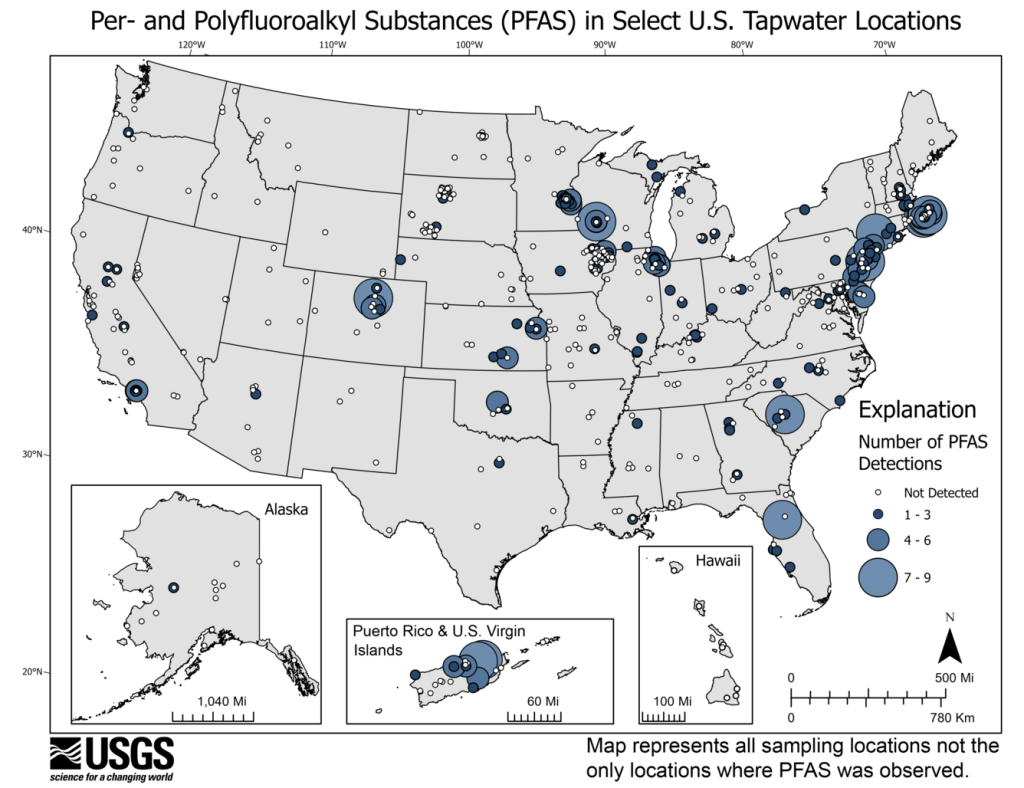
According to a recent USGS nationwide study At least 45% of the nation’s tap water is estimated to have one or more types of the chemicals known as per- and polyfluorinated alkyl substances, or PFAS, according to a new study by the U.S. Geological Survey. There are more than 12,000 types of PFAS, not all of which can be detected with current tests; the USGS study tested for the presence of 32 types. click on the PFAS interactive Map from EW https://www.ewg.org/interactive-maps/pfas_contamination/map/ This USGS research marks the first time anyone has tested for and compared PFAS in tap water from both private and government-regulated public water supplies on a broad scale throughout the country. Those data were used to model and estimate PFAS contamination nationwide. This USGS study can help members of the public to understand their risk of exposure and inform policy and management decisions regarding testing and treatment options for drinking water. PFAS are a group of synthetic chemicals used in a wide variety of common applications, from the linings of fast-food boxes and non-stick cookware to fire-fighting foams and other purposes. High concentrations of some PFAS may lead to adverse health risks in people, according to the U.S. Environmental Protection Agency. Research is still ongoing to better understand the potential health effects of PFAS exposure over long periods of time. Because they break down very slowly, PFAS are commonly called “forever chemicals.” Their persistence in the environment and prevalence across the country make them a unique water-quality concern. “USGS scientists tested water collected directly from people’s kitchen sinks across the nation, providing the most comprehensive study to date on PFAS in tap water from both private wells and public supplies,” said USGS research hydrologist Kelly Smalling, the study’s lead author. “The study estimates that at least one type of PFAS – of those that were monitored – could be present in nearly half of the tap water in the U.S. Furthermore, PFAS concentrations were similar between public supplies and private wells.” The EPA regulates public water supplies, and homeowners are responsible for the maintenance, testing and treatment of private water supplies. Those interested in testing and treating private wells should contact their local and state officials for guidance. Testing is the only way to confirm the presence of these contaminants in wells. For more information about PFAS regulations, visit the EPA’s website on addressing PFAS. The study tested for 32 individual PFAS compounds using a method developed by the USGS National Water Quality Laboratory. The most frequently detected compounds in this study were PFBS, PFHxS and PFOA. The interim health advisories released by the EPA in 2022 for PFOS and PFOA were exceeded in every sample in which they were detected in this study. Scientists collected tap water samples from 716 locations representing a range of low, medium and high human-impacted areas. The low category includes protected lands; medium includes residential and rural areas with no known PFAS sources; and high includes urban areas and locations with reported PFAS sources such as industry or waste sites. Most of the exposure was observed near urban areas and potential PFAS sources. This included the Great Plains, Great Lakes, Eastern Seaboard, and Central/Southern California regions. The study’s results are in line with previous research concluding that people in urban areas have a higher likelihood of PFAS exposure. USGS scientists estimate that the probability of PFAS not being observed in tap water is about 75% in rural areas and around 25% in urban areas. Learn more about USGS research on PFAS by reading the USGS strategy for the study of PFAS and visiting the PFAS Integrated Science Team’s website. The new study builds upon previous research by the USGS and partners regarding human-derived contaminants, including PFAS, in drinking water and PFAS in groundwater.
Trihalomethanes in the Water Supply

In some thirty five years of water filtration I have heard from hundreds if not thousands of concerned people about the possibility of toxins and pollutants in their water supply. The article below discusses an issue that is found in nearly every public water supply nationwide. Poisons that are actually introduced into the water supply. How? Our municipal water companies are required to disinfect using Chlorine Compounds. The good thing about chlorine is that it kills everything….the bad thing about chlorine is that it kills everything! It’s poisonous! What’s worse is that chlorine can produce thousands of other toxins some considered far worse than chlorine itself. Please enjoy the article below. Article from EWG News & Insights / News February 27, 2013 100 million+ Americans Exposed to Forgotten Toxics in Drinking Water EWG finds 201 large waterworks in 43 states produce tap water polluted with dangerous chemicals Washington, D.C. – A new Environmental Working Group analysis of 2011 water quality tests by 201 large U.S. municipal water systems that serve more than 100 million people in 43 states has determined that all are polluted with unwanted toxic chemicals called trihalomethane. These chemicals, an unintended side effect of chlorination, elevate the risks of bladder cancer, miscarriages and other serious ills. “Many people are likely exposed to far higher concentrations of trihalomethane than anyone really knows,” said Renee Sharp, a senior scientist at EWG and co-author of the analysis. “For most water systems, trihalomethane contamination fluctuates from month to month, sometimes rising well beyond the legal limit set by the federal Environmental Protection Agency.” Trihalomethane is formed when chlorine, added to treated water as a disinfectant, reacts with rotting organic matter such as farm runoff, sewage or dead animals and vegetation. Their concentrations tend to rise when storms increase organic pollution in waters that serve as sources for tap water. Scientists suspect that trihalomethane in drinking water may cause thousands of cases of bladder cancer every year. These chemicals also have been linked to colon and rectal cancer, miscarriages, birth defects and low birth weight. Only one of the systems studied by EWG – Davenport, Iowa – exceeded the EPA’s upper legal limit of 80 parts per billion of trihalomethane in drinking water. Since that regulation was issued in 1998, a significant body of scientific research has developed evidence that these chemicals cause serious disorders at much lower concentrations. Among the research are two Taiwanese studies conducted in 2007 and 2012 that associated increased risks of bladder cancer and stillbirth to long-term consumption of tap water with trihalomethane contamination greater than 21 parts per billion. Some 168 of systems, or 84 percent of the 201 large systems studied, reported average annual concentrations greater than that level. California public health officials reviewed the research around trihalomethane contamination in 2010 and determined that to reduce the risk of bladder cancer to no more than 1 in a million, the drinking water standard would need to be set at 0.8 parts per billion, which is 100 times lower than the current legal limit set by EPA. “New science makes a compelling case for stronger regulations and a stricter legal limit,” Sharp said. The EPA regulates four members of the trihalomethane family, the best known of which is chloroform, once used as an anesthetic and, in pulp detective stories, to knock out victims. Today, the U.S. government classifies chloroform as a “probable” human carcinogen. California health officials consider it a “known” carcinogen. The EPA does not regulate hundreds of other types of toxic contaminants formed by water treatment chemicals. Among these unregulated but dangerous chemicals are nitrosamines, which are formed when a chloramine, a chlorine compound used for water treatment, reacts with organic matter. In 2010, then-EPA Administrator Lisa P. Jackson launched a drinking water initiative that committed the agency to investigate nitrosamine contamination. The U.S. government considers some chemicals in the nitrosamine family to be “reasonably anticipated” to be human carcinogens. Clean source water is critical to breaking this cycle. The EPA has found that every dollar spent to protect source water reduced water treatment costs by an average of $27 dollars. “We must do a better job of keeping farm runoff, sewage and other pollutants from getting into our drinking water in the first place,” said Sharp. “By failing to do so, Congress, the EPA, and polluters leave no choice for water utilities but to treat dirty water with chemical disinfectants. Americans are left to drink dangerous residual chemicals generated by the treatment process.” EWG is calling on federal officials to: Reform farm policies to provide more funds to programs designed to keep agriculture pollutants, such as manure, fertilizer, pesticides, and soil out of tap water. Renew the conservation compliance provision by tying wetland and soil protection requirements to crop insurance programs and requiring farm businesses who receive subsidies to update their conservation plans. Strengthen and adequately fund conservation programs that reward farmers who take steps to protect sources of drinking water. Fund more research on the identity of and toxicological profiles for hundreds of water treatment contaminants in drinking water. Reevaluate the measurement of water treatment contaminants so that consumers cannot be legally exposed to spikes of toxic chemicals. Expand source water protection programs to prevent and reduce pollution and to conserve land in buffer zones around public water supplies. To Reduce Exposure to Trihalomethane in Water: GAC Filter Systems RO Systems
Pharmaceuticals Pollute U.S. Tap Water
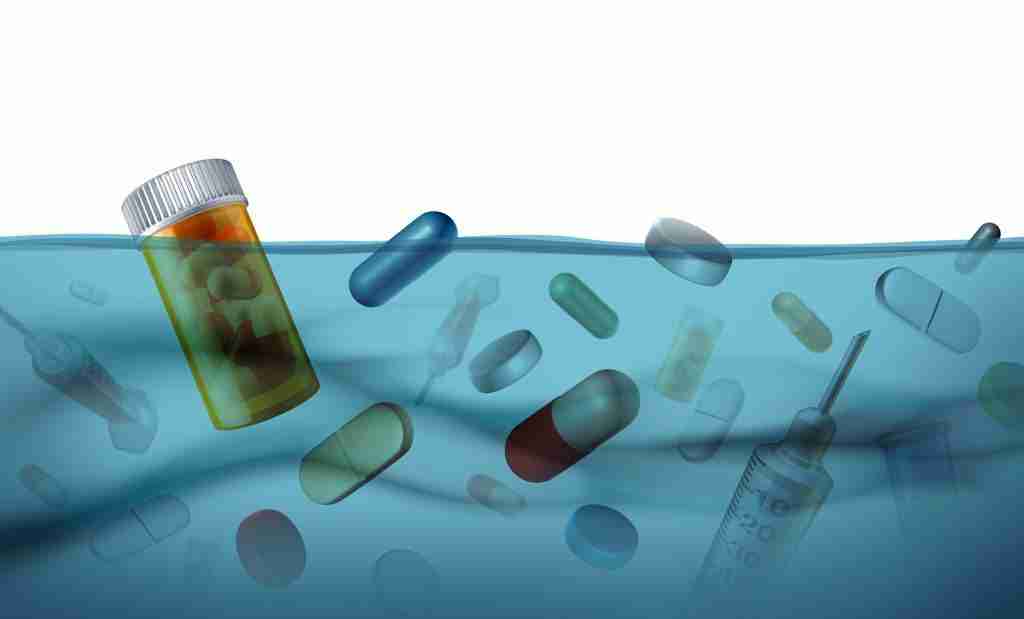
All across the USA pharmaceuticals are being gobbled up like candy. Spending on these prescriptions is reported by the US congressional budget office to have been over 335 billion dollars in 2018. According to a report from the Medical Expenditure Panel Survey from May 2009 an average household could easily have over ten prescription medications going down the drain in human waste. The USGS has found that private wells and municipal water supplies can contain these pharmaceutical drugs. Article from EWG News & Insights / News June 1, 2009 A wide range of pharmaceuticals that include antibiotics, sex hormones, and drugs used to treat epilepsy and depression, contaminate drinking water supplies of at least 41 million Americans, according to a 5-month investigation by the Associated Press National Investigation Team. EWG’s National Tap Water Quality Database “Environmental Working Group’s (EWG) studies show that tap water across the U.S. is contaminated with many industrial chemicals, and now we know that millions of Americans are also drinking low-level mixtures of pharmaceuticals with every glass of water,” said Jane Houlihan, EWG Vice President for Research. “The health effect of this cocktail of chemicals and drugs hasn’t been studied, but we are concerned about risks for infants and others who are vulnerable. Once again, the press is doing EPA‘s work when it comes to informing the public about contaminated tap water.“ Environmental Working Group analysis shows that of the top 200 drugs in the U.S., 13 percent list serious side effects at levels less than 100 parts-per-billion (ppb) in human blood, with some causing potential health risks in the parts-per-trillion range. EWG calls on EPA to take swift action to set standards for pollutants in tap water that will protect the health of Americans nationwide, including children and others most vulnerable to health risks from these exposures. Drug residues contaminate drinking water supplies when people take pills. While their bodies absorb some of the medication, the rest of it is flushed down the toilet. Drinking water treatment plants are not designed to remove these residues, and the AP team uncovered data showing these same chemicals in treated tap water and water supplies in 24 major metropolitan areas around the US. EWG’s national tap water atlas shows tap water testing results from 40,000 communities around the country. All of the pharmaceuticals reported in drinking water supplies are unregulated in treated tap water—any level is legal. Not only has the EPA failed to set standards for pharmaceuticals, but also they have failed to require utilities to test for these chemicals. The drug residues in tap water join hundreds of other synthetic chemicals Americans are exposed to daily, as contaminants in food, water, and air, or in common consumer products. EWG found an average of 200 industrial chemicals, pesticides and other pollutants in umbilical cord blood from 10 babies born in the U.S., indicating that our exposures to toxic chemicals begin in the womb, when risks are greatest. Remediate Pharmaceuticals from Water: Granular Activated Carbon Filter Reverse Osmosis Beneath Counter Top Units
Herbicides in Our Water Supply
Article from EWG News & Insights / News April 30, 2008 This is a post by EWG social media intern Howie, who prefers his greens herbicide-free. New research suggests that atrazine, a possible carcinogen and the second most common herbicide used in America, is present in greater amounts in average Americans than previously thought. The good people over at the Center for Disease Control came to this conclusion after they upgraded their atrazine monitoring method to look for traces of certain types of atrazine byproducts that their older measurements did not account for. CDC’s new research shows that the old method underreported the average level of atrazine in Americans so severely that 98 percent of the atrazine byproducts found in volunteers who said they did not know if they were exposed to atrazine would not have been accounted for under the previous method. These new findings strengthen the case for taking serious action against the use of atrazine in America. The European Union banned the use of atrazine in its member nations in 2003 after it found traces of atrazine in some of its drinking water supplies. In America, people are mostly exposed to atrazine through drinking water that has been contaminated as a result of using the herbicide to control weeds on farms and golf courses. The government must take action beyond asking Syngenta, the main manufacturer of atrazine used in America, to monitor atrazine levels in streams with more than three times the amount of atrazine that the EPA considers harmful to humans. Continued failure to raise regulations on atrazine will continue to hurt Americans. In a previous post, we briefly mentioned that overexposure to atrazine has been linked to breast cancer development. Syngenta’s own research shows there may be a link between atrazine overexposure and prostate cancer. Cardiovascular problems, muscle spasms, damage to the retinas and adrenal gland damage may also result from overexposure to atrazine. Now that we know there’s even more atrazine in us than we care to have, we have all the more reason to advocate for our health and restrict its use. ———————————————————————————————————– Article from EWG News and Insights / News April 7, 2015 Glyphosate Is Spreading Like a Cancer Across the U.S. American growers sprayed 280 million pounds of glyphosate on their crops in 2012, according to U.S. Geological Survey data. That amounts to nearly a pound of glyphosate for every person in the country. The use of glyphosate on farmland has skyrocketed since the mid-1990s, when biotech companies introduced genetically engineered crop varieties (often called GMOs) that can withstand being blasted with glyphosate. Since then, agricultural use of the herbicide has increased 16-fold. View the full map slideshow here Glyphosate is the active ingredient in Roundup, Monsanto’s widely used weed killer, which according to the World Health Organization is “probably carcinogenic to humans.” Public interest groups are asking the U.S. Environmental Protection Agency to take into full account in its deliberations this new assessment by the world’s leading authority on public health. Given the increased use of herbicides in connection with GMOs, it’s no wonder that more than 90 percent of consumers want the right to know if the food they buy contains genetically engineered ingredients. The current voluntary labeling system is not getting the job done. The only way for people to know for sure what’s in their food is to require nationwide labeling of GMO products. Remediate Herbicides Remediate Herbicides from water with the following products: Granular Activated Carbon Filtration System Reverse Osmosis Water Filtration
Pesticides in Our Water Supply
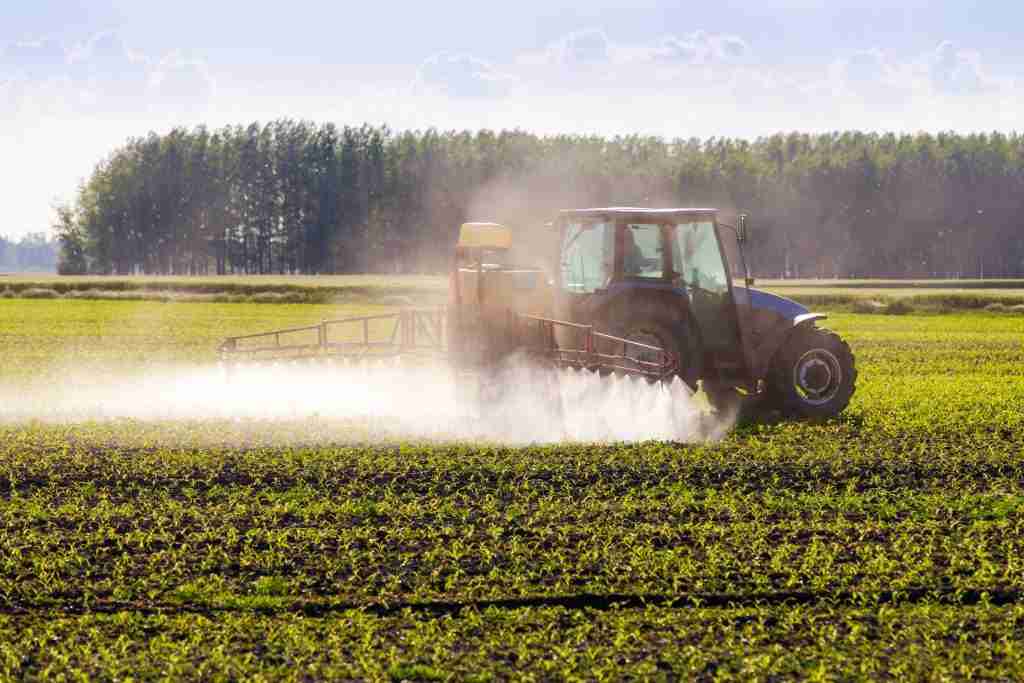
From the National Library of Medicine An average of 2 million tons of pesticides is used each year globally to confront weeds, insects and pests The primary pesticide consuming countries are: China, the USA, Argentina, India, Japan, Canada, Brazil, France, Italy and Thailand. Based on the National Water-Quality Assessment (NAWQA), pesticides are found more often in surface waters than groundwater, being 25 pesticides detected more than 10% of the time in surface waters and 2% of the time in groundwater of various land-use setting in agricultural, urban and mixed land use. This proves that the occurrence of pesticides in surface waters is prevalent because of the direct and rapid overland mobilization of pesticides via surface runoff. According to the investigation, the pesticides that occurred most frequently in the streams and groundwater are the five agricultural herbicides—atrazine with its degradate, deethylatrazine, metolachlor, cyanazine, alachlor and acetochlor, the five non-agricultural herbicides—simazine, prometon, tebuthiuron, 2,4-D and diuron, as well as the 3 most extensive use insecticide—diazinon, chlorpyrifos and carbaryl Remediation for Pesticides: Granular Activated Carbon Systems Reverse Osmosis Systems
EWG Tapwater Database
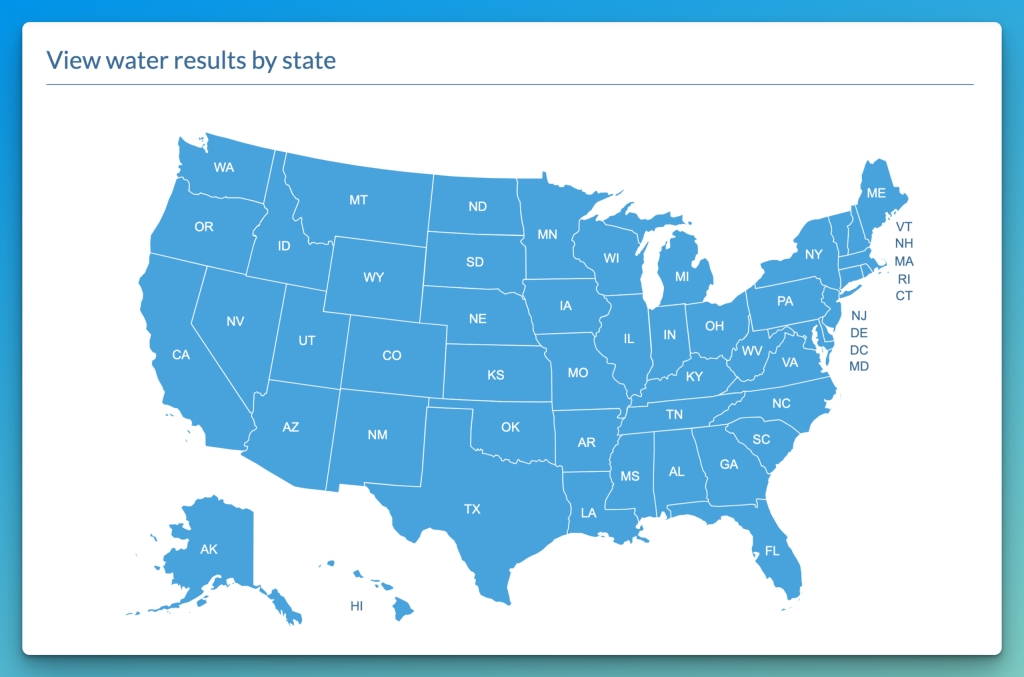
The Environmental Working Group (EWG) is focused on environmental health, aiming to protect people from harmful chemicals and practices that may affect their health and the environment. They provide information to help consumers make informed choices and live healthier lives in a healthier environment. Visit EWG’s Tap Water Database to see what the current rating of your state’s tap water is: https://www.ewg.org/tapwater/
Beware of Toxins in Drinking Water
As written by Brian Vaszily on 10/13/2020 How often do you think about your drinking water? Probably not very often, since most Americans take it for granted that the water we have access to is clean. In fact, unless you live somewhere like Flint, Michigan where there was a huge lead contamination crisis, it’s easy to assume that official organizations are doing their job of regulating water purity. Unfortunately, that’s not the case. There is growing evidence of contaminants and toxic chemicals in drinking water that can cause long-term chronic health problems for you and your family. So far, government regulatory agencies haven’t stepped in to solve the problem, so it’s up to you the consumer to be educated on what’s happening and make better choices for yourself. Are You Really Drinking Clean Water? You probably know a little bit about how important water is to our health. The human body can’t survive very long without it, and drinking enough water is essential for healthy skin, kidney function, brain health, and much more. It’s a well-known “fact” that Americans are fortunate to have ready access to clean water, something people in less developed countries don’t have. This is true on the surface. You have a very low chance of suffering acute symptoms or death caused by waterborne bacteria like E. coli. However, that doesn’t mean the water you’re drinking is completely safe. Consistently drinking water that has low levels of contaminants can lead to an accumulation in your system, which causes chronic health problems (rather than acute). You might not even realize you’re getting sick or connect your symptoms to your water source. Even worse, those at most risk for being affected by hidden toxins in drinking water are the already vulnerable: children, pregnant women, and those with weakened immune systems. Toxins to Be Aware Of The first step to cleaning up your drinking water is learning what may be lurking in it. Let’s take a look at the most common (and dangerous) chemicals you should know about. Lead Lead is probably one of the most well-known water toxins because it makes a big splash when there’s a problem. Contamination with lead comes from lead pipes and other plumbing fixtures that can leach into the water supply. Water companies are supposed to test for lead, but they don’t always do so. You can’t see, smell, or taste lead, so you won’t notice its presence on your own. Exposure to lead has a serious negative effect on the brain and central nervous system, although it can also affect every organ in the body. Children are at the most risk for toxicity because their brains are still developing. Fluoridation / Fluoride Fluoride is often marketed as a beneficial chemical that will help you have strong and healthy teeth. It’s a mineral naturally found in your teeth and actually a naturally occurring mineral in some of the cleanest water sources on earth, where it is not toxic. (In these pure waters, it often bonds with the naturally occurring calcium and becomes calcium fluoride.) However, fluoride became a common additive to tap water in the 1940’s. And while there may have been good intentions involved, this fluoridation process is an industrial waste byproduct from the manufacturing of aluminum or fertilizer. And there’s growing concern that this type of fluoride accumulates in the bodies of those who consume it and acts as a neurotoxin and endocrine disruptor. It’s currently under investigation by the National Toxicology Program of the U.S., but many other countries like France, Italy, Sweden, Japan, and Norway have already either banned or never used fluoridation because of health concerns. Disturbingly, one study found that higher levels of fluoride in drinking water likely causes a drop of IQ in children who drink that water. Chlorine Chlorine has been used for many years to purify water of potential disease-causing microbes, so you would think it was known to be safe for consumption, but that isn’t the case. The main danger of toxicity comes when chlorine reacts with certain organic compounds present either in drinking water or in your gut. The end result is that toxic byproducts like trihalomethanes (THMs) and haloacetic acids (HAAs) are produced. Both of these chemical groups can increase your risk of certain cancers, adversely affect your kidneys, and cause reproductive problems. Perchlorate Perchlorate is a natural compound that can also be made synthetically in a lab. It’s known as an oxidizer and is commonly used in fireworks, explosives, road flares, and rocket propellants. It can also be found in certain fertilizers. Naturally occurring perchlorate is not usually present in large enough amounts to cause any harm. However, the man-made version has leached into drinking water in several states. The main toxic effect of perchlorate is on your thyroid gland. It can inhibit your thyroid from taking up iodine (an essential nutrient), leading to other health problems. Like many other toxins, repeated consumption of perchlorate is most dangerous for children, pregnant women, and those with compromised health. It can lead to developmental and learning disabilities in children and is especially dangerous for kids under 2 years of age. PFAS (aka “Forever Chemicals”) The technical name for PFAS is per- and polyfluoroalkyl substances, which refers to a group of man-made chemicals that can have very adverse health effects. PFOA and PFOS are two of the most studied PFAS. Both are persistent, which means they won’t break down, and can easily accumulate in the environment, water sources, animals, and humans (hence the name “forever chemicals”). These chemicals are no longer manufactured in the U.S. because they were found to cause reproductive, developmental, liver, and kidney problems (to name a few) as well as cancer. However, the damage has already been done, and imported goods may still contain these PFAS. A recent report by the Environmental Working Group (EWG) revealed that PFAS have contaminated tap water in many U.S. cities, much more so than was previously thought. This is important because water companies
No Such Thing as ‘Safe’ Tap Water
Despite being at the top of the global food chain and industrial developmental ladder, the United States has a poor track record for delivering uncontaminated drinking water to the public. Even the nicest restaurants are guilty of serving you directly from the tap. It’s time to get real about the ‘tap water problem,’ one of the most significant vectors of toxicity of our age… Water is life, as the saying goes. And it’s more than just a poetic phrase. Water is so intrinsically connected to life, if you counted all the molecules in the human body, 99% of them would be water! On average, a human life can be sustained for up to three weeks without food, but a person won’t survive more than a few days without water. Under extreme conditions, an adult can lose around one litre of water per hour, all of which needs to be readily replaced to maintain a healthy fluid balance. So, what could be more important than consuming high quality, non-contaminated water? In the United States, most of the water we utilize comes from our domestic water tap. We cook with it, we bathe in it; we use it on our yards, and in our pools. And we rarely, if ever, consider how clean or safe it is to do so. But when it comes to drinking water, quality is not something that can be sacrificed in exchange for plentiful supply. One of the most profound technological developments in the modern era was the implementation of mass public sanitation infrastructures and the subsequent availability of water free from feeces and other biological contaminants. Indeed, this, along with improved nutrition and refrigeration technologies, was what was behind the widespread reduction in epidemic outbreaks in ‘infectious diseases’ in the twentieth century and not the introduction of mass vaccination campaigns which came afterwards. Drinking unclean water can cause either acute or chronic effects, depending on the nature of the contaminant, and the concentration. Dysentery, a common water-borne bacterial infection, causes acute reactions such as intestinal inflammation, and severe diarrhea. A serious condition, dysentery causes rapid dehydration, and an infection which can be fatal, if left untreated. It is still a common third-world killer today. Yet, with the introduction of modern water sanitation technologies, another problem emerged: chronic, culminative poisoning to nonlethal doses of contaminants, such as most industrial chemicals. Fertilizer runoff, and other industrial pollutants, contaminate streams and rivers worldwide. The Illusion of Safety / Not MY Tap! It’s easy to think that living in the United States gives us a free pass from such concerns. But recent headlines speak to a darker reality. You’ve heard about the ongoing battle for clean water in Flint, Michigan. But unsafe tap water is not a localized phenomenon. Recent reports have found that 62 million Americans are exposed to unsafe drinking water, and that chemical contaminants in tap water could be the cause of 100,000 cancer cases in the United States. Yet often, these flag-raising issues don’t trigger safety responses until people start getting sick. Safeguarding the health of our bodies includes ensuring that the water we drink has been properly filtered, or comes from a known-clean source such as a spring or an uncontaminated well. Only trust bottled water that comes from a reputable company. And don’t let being in a nice restaurant in a big city lull you into a sense of complacency. From New York City to Encinitas, Portland to Boulder, veritable meccas of food quality and health consciousness are serving unfiltered tap water. You don’t have to see it to believe it. Lead and Fluoride: Lethal Offenders Among the most common water contaminants, none are as dangerous to our health as lead and fluoride. Studies show even low-dose lead exposure can cause brain damage and developmental problems in young people. Lead leaches into water systems through old, corroded pipes like the ones found in many turn-of-the-century cities and towns. This problem will worsen in coming years, as 20th century infrastructure continues to decay, and increased testing efforts raise awareness. Fluoride is one of the greatest cons ever perpetrated on the American public. While some areas of the country can have high-levels of naturally occurring fluoride, the type that is added to about 90% of municipal water supplies are the silicofluorides, fluorosilicic acid (FSA) and sodium fluosilicate (NaFSA), by-products of the aluminum industry. Done under the assertion that it helps prevent dental caries in underserved populations, this claim has been widely debunked in recent years. Authors of A Critical Review of the Physiological Effects of Ingested Fluoride, concluded that “Available evidence suggests that fluoride has a potential to cause major adverse human health problems, while having only a modest dental caries prevention effect.” These studies show that dental remineralization occurs when small amounts of fluoride are topically applied to teeth, not when ingested. Although the medical establishment works hard to hide the dangers of fluoride, science is beginning to sound the alarm. In 2014, fluoride was added to a growing list of developmental neurotoxins, and the evidence of a link between ingested fluoride and the development of cancer is deepening. What are some of the lesser-known but still frighteningly common contaminants being found in our drinking water? We’ve compiled five of the top reasons to find an alternative to tap water. (And no, single-step carbon filters don’t fix the problem.) 1) Disinfectant By-products Chemicals like chlorine, bromine, and iodine are in the class known as halogens (“salt-producing”), and are frequently used as industrial disinfectants. Water treatment facilities are dependent on them, especially chlorine, to kill harmful bacteria that is commonly present in public water systems. Trihalomethane’s, a class of chemicals that includes chloroform, are dangerous by-products of these treatment processes. Trihalomethane’s have been linked to colon and rectal cancers, as well as birth defects, low birth weight and miscarriage. Scientists suspect that trihalomethane in drinking water may also be causing thousands of cases of bladder cancer every year. In a 2007 report, a startling 50%